
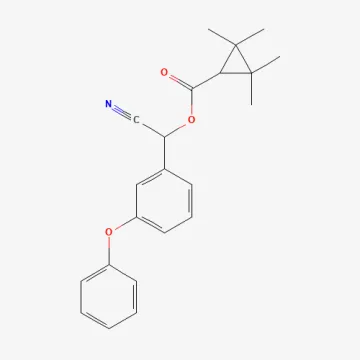
Fenpropathrin
Description
Mode of action
Fenpropathrin belongs to the synthetic pyrethroid chemical class and acts as a potent contact and stomach insecticide and acaricide.
Its primary mechanism of action involves the disruption of nerve impulse transmission by modifying the permeability of sodium channels in nerve cell membranes.
The blockage of these sodium channels results in excessive neurotransmitter release, causing paralysis and rapid cessation of feeding in target pests.
Death typically occurs within several hours of contact with the treated plant surface or ingestion of the substance by the insects or mites.
A key feature of fenpropathrin is its rapid "knockdown effect," which ensures immediate pest control and reduces damage to crop foliage.
What it targets
The active ingredient exhibits a broad spectrum of efficacy against various orders of harmful insects, including Lepidoptera, Coleoptera, and Hemiptera.
It is specifically valued for its acaricidal activity, effectively controlling populations of plant-feeding mites, including the notorious spider mite species.
The compound is successfully utilized in fruit production, greenhouse vegetable cultivation, open-field crops, and ornamental plant nurseries.
Major pests controlled by fenpropathrin include aphids, thrips, whiteflies, leafrollers, codling moths, and various gall-forming mites.
- Spider mites
- Aphid species
- Greenhouse whitefly
- Lepidopteran larvae (caterpillars)
Rates and timing
Application rates for fenpropathrin vary significantly depending on the target pest species, current infestation levels, and the growth stage of the crop.
Optimal timing for application occurs during the active growing season, based on field scouting results and the detection of initial pest populations.
The spray solution must be applied uniformly to ensure full coverage of the plant canopy, paying close attention to the underside of leaves where mites reside.
Since pyrethroid efficacy can decrease at high temperatures, applications are best performed during the cooler morning or evening hours.
Implementing a rotation program with products from different chemical classes is essential to manage and prevent the development of pest resistance.
Restrictions
Fenpropathrin is highly toxic to honeybees and other beneficial beneficial insects; therefore, application during periods of bee activity must be avoided.
The substance is dangerous to aquatic life and should not be applied in proximity to water bodies, rivers, or sensitive fishery zones.
Strict adherence to personal protective equipment (PPE) requirements for respiratory, ocular, and dermal protection is mandatory during handling and application.
Users must strictly observe the pre-harvest interval (PHI) specified for each crop to ensure the safety of food products reaching consumers.
The product must be stored in its original packaging, separated from food and feedstuffs, and kept in a secure location out of reach of children.
Status in the European Union
Not approved in the EU
- CAS number
- 39515-41-8
- Category (EU)
- IN - Insecticide
- ADI
- 0.03 mg/kg bw/day
- ARfD
- 0.03 mg/kg bw
EU status is for reference only and does not replace national registration in your country.