
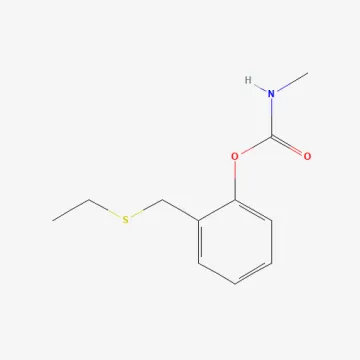
Ethiofencarb
Description
Mode of action
Ethiofencarb belongs to the carbamate chemical class and acts as a systemic insecticide with pronounced contact and stomach activity.
The mechanism of action is based on the inhibition of the acetylcholinesterase enzyme in the insect's nervous system, disrupting nerve impulse transmission.
As a result, the pests become paralyzed, which quickly stops them from feeding and leads to their eventual death.
The product effectively penetrates plant tissues, ensuring long-term protection even for parts of the crop that were not directly sprayed.
Due to its systemic properties, ethiofencarb can eliminate pests hiding inside leaf tissues or in other hard-to-reach areas of the plant.
What it targets
The primary purpose of this active ingredient is to control sucking pests, particularly various species of aphids.
The product also demonstrates high efficacy against certain types of thrips, psyllids, and other small insects that damage plant vegetation.
It is used on a wide range of agricultural crops, including cereal grains, open-field and greenhouse vegetables, and fruit trees.
The use of ethiofencarb is especially relevant during periods of massive aphid colonization, which can rapidly destroy a crop.
- Aphids (various species)
- Thrips
- Psyllids
- Leafhoppers
Rates and timing
Application rates for ethiofencarb depend on the crop being treated, the intensity of the pest infestation, and the growth stage of the plants.
Treatments are typically performed during the active growing season as soon as the first signs of pests appear on the fields.
The number of applications per season is strictly regulated to prevent the accumulation of residue levels in the final harvestable product.
When preparing the spray solution, it is essential to follow the specific concentrations indicated in the product manufacturer's manual.
Optimal weather conditions for spraying include a lack of strong wind and moderate temperatures to ensure uniform coverage of the plants.
Restrictions
Ethiofencarb is a moderately toxic substance, so personnel must use appropriate personal protective equipment for skin and respiratory tract protection.
Treatments during periods of active bee foraging are strictly prohibited, as the substance poses a high risk to pollinators.
Strict adherence to pre-harvest intervals is vital to ensure that the produced food is safe for consumer consumption.
Repeated use of insecticides from the same chemical class can lead to pest resistance; therefore, rotating with products having different modes of action is recommended.
Store the product in its original packaging in a cool, dry warehouse, keeping it out of reach of children and pets.
Status in the European Union
Not approved in the EU
- CAS number
- 29973-13-5
- Category (EU)
- IN - Insecticide
- ADI
- 0.1 mg/kg bw/day
EU status is for reference only and does not replace national registration in your country.