
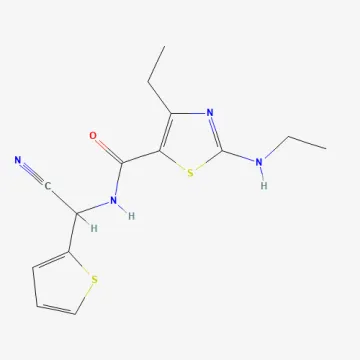
Ethaboxam
Description
Mode of action
Ethaboxam is a highly specialized active ingredient belonging to the thiazolecarboxamide chemical class, used primarily as an effective fungicide.
Its primary mechanism of action involves the inhibition of mitosis in fungal cells, specifically by interfering with beta-tubulin synthesis.
By disrupting the formation of the spindle apparatus during cell division, ethaboxam effectively halts the growth and reproduction of sensitive fungal pathogens.
The substance exhibits systemic-local activity, meaning it can penetrate the leaf cuticle and provide protective coverage to plant tissues.
Ethaboxam possesses both preventative and curative properties, allowing it to provide comprehensive protection during various stages of the plant growing season.
What it targets
Ethaboxam is specifically designed to control diseases caused by oomycetes, which are known for their ability to spread rapidly in humid conditions.
Key targets include Phytophthora infestans, the pathogen responsible for late blight in potatoes and tomatoes, as well as various Peronospora species.
It is widely used in vegetable production to protect crops such as onions, cucumbers, and other sensitive species from downy mildew infections.
The product provides excellent control by preventing the germination of zoospores and limiting the spread of mycelium within the infected tissue.
Effective management of these pathogens with ethaboxam helps in maintaining crop vigor and maximizing yield potential in commercial farming.
Rates and timing
Application rates for ethaboxam-based products are determined by the specific formulation, crop type, and the prevailing disease pressure in the field.
It is recommended to apply the fungicide as a preventative measure before the onset of conditions favorable for disease development.
Regular applications may be required during periods of rapid crop growth to ensure that new foliage remains adequately protected against potential infections.
Uniform spray coverage of all leaf surfaces is crucial to achieve the best efficacy, requiring appropriate equipment calibration and nozzle selection.
To ensure long-term effectiveness, ethaboxam should be rotated within an integrated pest management program using fungicides with different modes of action.
Restrictions
When handling ethaboxam, operators must strictly adhere to safety protocols, including the use of protective clothing, gloves, and respiratory protection.
Applications should be avoided under extreme weather conditions, such as high heat or gusty winds, to ensure the product remains on the target crop.
Adherence to pre-harvest intervals is mandatory to comply with food safety regulations and to ensure the final product meets residue standards.
Storage must be done in a secure, climate-controlled environment to maintain the stability and potency of the active ingredient.
Users should prevent any runoff into aquatic systems, as the chemical can be harmful to aquatic organisms if introduced in large concentrations.
Status in the European Union
Not approved in the EU
- CAS number
- 162650-77-3
- Category (EU)
- FU - Fungicide
EU status is for reference only and does not replace national registration in your country.