
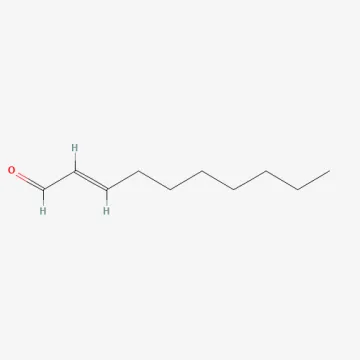
(E)-9-dodecen-1-yl acetate
Description
Mode of action
(E)-9-dodecenyl acetate belongs to a class of synthetic sex pheromones that serve as highly effective tools for managing insect pest populations through mating disruption or monitoring systems.
The mode of action involves mimicking the chemical signals emitted by females to attract males. By saturating the air with this synthetic compound, males are unable to locate females, effectively preventing mating and limiting the reproductive cycle.
Unlike conventional insecticides, these compounds do not kill insects directly. Instead, they manipulate insect behavior to achieve control without the use of toxic residues, making them safer for the environment.
Pheromone-based solutions are cornerstones of Integrated Pest Management (IPM), promoting sustainable agriculture by protecting natural predators and beneficial insects.
The substance is designed for controlled release, ensuring a steady presence of the pheromone in the environment during the target pest's active flight season.
What it targets
This group of pheromones is primarily used to control various species of Lepidoptera, which are significant pests in fruit orchards, vineyards, and vegetable plantations.
The application is aimed at disrupting the reproductive cycles of moths whose larvae cause substantial damage to the foliage, shoots, and fruit development of crops.
- European grapevine moth
- Vine moth
- Plum fruit moth
- Various noctuid species
Pheromone monitoring allows farmers to track the emergence and population density of these pests with high precision, ensuring that control measures are applied only when necessary.
By providing early warning signs, (E)-9-dodecenyl acetate helps stakeholders manage pest pressure effectively and reduce the reliance on calendar-based chemical spray programs.
Rates and timing
The application rates for (E)-9-dodecenyl acetate depend on the density of dispensers per hectare, which is determined by the historical pressure of the pest in the specific region.
Deployment should occur well before the first emergence of the target moth generation to prevent the onset of initial egg-laying cycles at the start of the season.
The timing of usage is strictly correlated with the phenological development of the pest, requiring seasonal monitoring of trap counts to ensure maximal efficiency.
Dispensers should be replaced according to the manufacturer’s specifications, as environmental factors like temperature and wind speed influence the rate of pheromone evaporation.
Effective mating disruption requires treating large, contiguous areas to minimize the risk of immigration by mated females from adjacent, non-treated fields.
Restrictions
Environmental conditions play a crucial role, as prolonged periods of extreme heat can cause the pheromone to volatilize too quickly, reducing the effective lifetime of the dispenser.
Mating disruption may have reduced efficacy in areas with very high pest populations where the pheromone plume might be overwhelmed by the sheer volume of wild-type chemical signals.
Contamination of the dispensers with other chemicals or strong odors must be avoided, as this can interfere with the signaling mechanism and decrease the trap attraction rate.
Storage must be conducted in cool, dark, and airtight conditions to maintain the stability and chemical purity of the pheromone, preventing degradation over time.
While the substance is safe for humans and non-target species, it is essential to follow standard handling protocols for agricultural products to ensure long-term product efficacy.
Status in the European Union
Not approved in the EU
- CAS number
- 3913-81-3
EU status is for reference only and does not replace national registration in your country.