
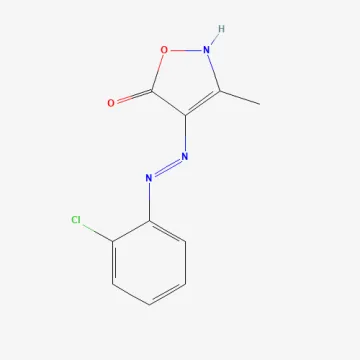
Drazoxolon
Description
Mode of action
Drazoxolon is a specialized chemical agent belonging to the benzenesulfonates group, widely utilized in agronomy as a potent fungicide for plant protection.
The primary mode of action involves interfering with the enzymatic systems of fungal pathogens, effectively disrupting their metabolic activities during the germination phase.
Operating as a contact fungicide, it forms a durable protective layer on the seed surface, preventing soil-borne pathogens from colonizing the developing embryo.
By inhibiting the respiratory pathways within fungal cells, drazoxolon halts mycelial growth and prevents the successful establishment of infection in young seedlings.
Its robust chemical stability makes it highly effective in soil conditions, providing reliable protection against pathogens during the critical early emergence period.
What it targets
Drazoxolon is particularly effective against soil-borne oomycetes, which are responsible for damping-off and root rot in various agricultural crops.
It is primarily used to control fungal infections that threaten the germination stage, specifically targeting pathogens found in damp or cool soil environments.
The compound is applied to a variety of grains and technical crops to ensure high field germination rates and healthy initial plant development.
It provides a defense against various species of fungi that cause rotting of seeds and seedlings shortly after sowing.
- Pythium species (root rots)
- Phytophthora pathogens
- Damping-off diseases
Rates and timing
Application rates for drazoxolon depend on the crop type, the expected level of soil infestation, and the specific seed treatment technology being employed.
Seed treatment should be performed using specialized industrial equipment to ensure uniform coverage and optimal concentration of the active ingredient.
Timing is crucial; the treatment is typically conducted as a pre-sowing measure to ensure the chemical is present at the exact time of germination.
Clean seeds, free from dust and debris, are essential for achieving the best adhesive results and uniform protection for every single seed.
Adherence to recommended dosages is necessary to maintain efficacy while ensuring that the treatment does not negatively impact the seedling's growth vigor.
Restrictions
Strict safety protocols must be followed when handling drazoxolon, including the use of adequate personal protective equipment to prevent skin and eye contact.
Treated seeds must never be used for human consumption or animal feed, as they remain toxic and pose severe health risks to warm-blooded organisms.
All containers holding treated seeds must be clearly labeled to prevent accidental misuse and must be stored in secure, restricted locations.
Disposal of unused product and empty packaging must comply with environmental regulations to avoid contamination of local water bodies and soil.
Workers must minimize exposure to dust generated during the handling and planting of treated seeds by using appropriate ventilation and protection.
Status in the European Union
Not approved in the EU
- CAS number
- 5707-69-7
- Category (EU)
- FU - Fungicide
EU status is for reference only and does not replace national registration in your country.