
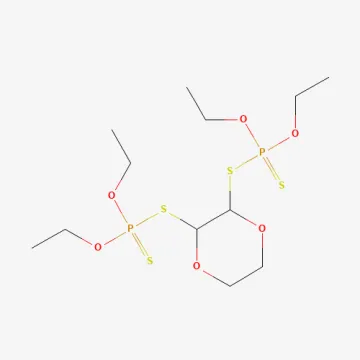
Dioxathion
Description
Mode of action
Dioxathion is a broad-spectrum organophosphate insecticide and acaricide designed to combat a wide range of agricultural pests.
The mode of action involves the inhibition of the enzyme acetylcholinesterase, which is vital for the proper function of the nervous system in insects and mites.
Once absorbed through contact or ingestion, the substance disrupts nerve transmission, leading to paralysis and the rapid death of the target pest.
As a contact-acting chemical, its efficacy is significantly enhanced by uniform spray coverage of the plant canopy where pests are active.
Dioxathion provides reliable residual control, helping to maintain protection of foliage against re-infestation for a certain period post-application.
What it targets
The substance is primarily utilized for the control of various mite species, including spider mites and orchard mites, which cause significant damage to leaves.
It is effective against aphids, leafhoppers, and psyllids that compromise plant vigor by extracting sap from tender tissues.
Dioxathion is also employed to manage scale insects, particularly during their vulnerable crawler stage, preventing further spread across the orchard.
The chemical targets various foliage-feeding insects, contributing to better overall health and productivity of fruit and ornamental crops.
- Spider mites (Tetranychidae)
- Aphids (Aphididae)
- Scale insects (Coccoidea)
- Leafhoppers (Cicadellidae)
Rates and timing
Application timing is critical and should be scheduled based on pest life cycles and local economic threshold levels observed in the field.
Recommended rates are determined by crop type and the severity of the infestation, ensuring sufficient coverage for optimal results.
Spraying should be performed using calibrated equipment to ensure an even distribution of the product without excessive runoff.
Farmers are advised to limit the number of seasonal applications to minimize the risk of developing pesticide resistance among target populations.
Environmental factors such as temperature and humidity should be considered, as they influence the stability and performance of the active ingredient.
Restrictions
Dioxathion is highly toxic to honeybees and other beneficial pollinators, so it must never be applied during the flowering period of crops.
Rigorous adherence to safety protocols is required, including the mandatory use of protective clothing, gloves, and respirators during mixing and application.
The chemical must not be allowed to enter waterways or drainage systems due to its high toxicity to aquatic life and potential for environmental harm.
Strict harvest intervals must be observed to ensure that chemical residues in food products remain within established safe limits.
Store the product in original, secure packaging away from livestock, food supplies, and ensure it remains inaccessible to unauthorized persons.
Status in the European Union
Not approved in the EU
- CAS number
- 78-34-2
- Category (EU)
- IN - Insecticide
- ADI
- 0.0015 mg/kg bw/day
EU status is for reference only and does not replace national registration in your country.