
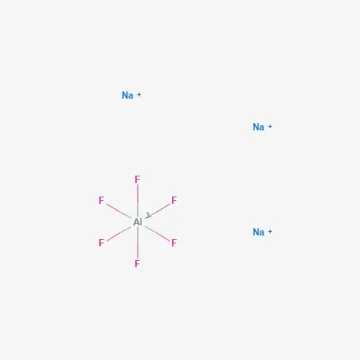
Cryolite
Description
Mode of action
Cryolite, chemically known as sodium aluminum fluoride, serves as a traditional stomach-action insecticide used in various agricultural settings.
The mode of action involves the ingestion of the substance by insects while they are feeding on treated plant tissues, leading to systemic poisoning within the pest.
Once inside the insect's digestive tract, the release of fluoride ions disrupts metabolic functions, which ultimately results in the cessation of feeding and subsequent mortality.
Unlike contact insecticides, cryolite does not penetrate the insect's exoskeleton, meaning it is only effective against species with chewing mouthparts.
Because the product lacks systemic mobility within the plant, thorough coverage of all leaf surfaces is essential for successful pest management programs.
What it targets
Cryolite is primarily effective against a variety of chewing insects that feed on the foliage, fruits, and stems of diverse agricultural crops.
It is frequently utilized to control populations of Lepidoptera larvae, such as leafrollers and various species of caterpillars that cause significant economic damage.
The insecticide also demonstrates efficacy against certain types of leaf-eating beetles, helping to preserve the photosynthetic surface of the plants.
Its use is targeted at growth stages where larvae and adults are actively consuming plant material, ensuring high exposure rates to the ingested poison.
- Leafrollers
- Caterpillars
- Leaf-feeding beetles
- Chewing insect pests
Rates and timing
Application rates for cryolite must be carefully calculated based on the specific pest density and the crop growth stage to ensure both efficacy and plant safety.
The product is typically applied as a spray, often combined with surfactants or wetting agents to improve adherence to the leaf surface and resist wash-off.
Timing is critical: applications should coincide with the peak hatching period of the target pests to ensure they ingest the compound before causing irreparable damage.
Growers must adhere to the pre-harvest interval (PHI) specified on the product label to ensure that residue levels in the final produce remain within established safety limits.
It is recommended to rotate cryolite with other classes of insecticides to manage resistance and maintain the long-term effectiveness of the integrated pest management program.
Restrictions
Safety is a priority when handling cryolite; operators should wear appropriate personal protective equipment, including respirators and gloves, to prevent inhalation or skin contact.
Environmental precautions are necessary, particularly regarding drift into non-target areas, water sources, or areas populated by beneficial pollinating insects.
The use of cryolite should be avoided during blooming periods to protect honeybees and other essential pollinators from direct exposure to the insecticide.
Storage should be in a secure, dry location away from fertilizers, food, and animal feed to prevent cross-contamination and accidental ingestion.
Care should be taken with equipment maintenance, as fluoride-based compounds may have corrosive properties that can impact the longevity of sprayer components.
Status in the European Union
Not approved in the EU
- CAS number
- 1331-71-1
- Category (EU)
- IN - Insecticide
EU status is for reference only and does not replace national registration in your country.