
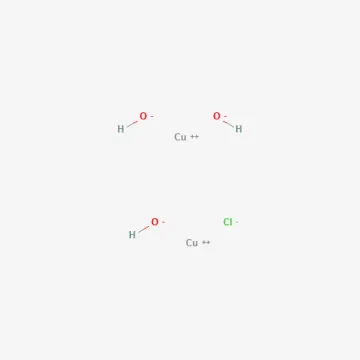
Copper oxychloride
Description
Mode of action
Copper oxychloride belongs to the inorganic chemical group of copper-based fungicides. It acts primarily as a contact fungicide, creating a protective barrier on the plant surface.
The mechanism of action involves the release of copper ions that interfere with the metabolic processes of fungal spores, effectively inhibiting their germination and mycelial growth.
Since it is a surface-active compound, it does not penetrate the plant tissues, meaning complete and uniform coverage of the leaves and stems is vital for maximum efficacy.
The residue of the product remains active on the plant surface for approximately 7 to 10 days, providing reliable residual protection against incoming fungal infections.
Proper formulation of the spray ensures that the active ingredient adheres well to the foliage, resisting washing off by light rain and maintaining protection throughout the critical growth stages.
What it targets
This fungicide is highly effective against a broad range of fungal and bacterial diseases that affect vegetable crops, fruit trees, and ornamental plants in various growing conditions.
- Late blight in tomatoes and potatoes
- Apple and pear scab
- Peach leaf curl
- Grape downy mildew (Plasmopara viticola)
- Anthracnose and various leaf spots
It is widely used in preventive spray programs to stop the spread of primary infections before symptoms become visually obvious in the field or orchard.
Copper oxychloride is particularly effective against oomycetes and certain bacterial pathogens that cause significant yield losses in commercial and home garden settings.
By applying it early in the season, growers can suppress the overwintering inoculum of fungi, significantly reducing the pressure of diseases during the summer months.
Rates and timing
Application rates generally range from 2 to 4 kilograms of product per hectare, or roughly 20–40 grams per 10 liters of water, adjusted based on the specific crop and disease pressure.
For vegetable crops, the first application is recommended when conditions favor disease development, with subsequent sprays applied every 10–14 days as needed for ongoing control.
Fruit trees should be treated primarily before the flowering period and post-harvest to prevent damage to the delicate floral parts and to avoid residue accumulation on fruits.
It is standard practice to limit applications to a maximum of 3–4 treatments per season to prevent excessive copper buildup in the soil and potential phytotoxicity.
When preparing the spray tank, the powder must be thoroughly mixed with water to ensure a homogenous suspension, preventing clumping and nozzle clogging during application.
Restrictions
Copper oxychloride is considered moderately toxic and requires careful handling. Operators must wear appropriate personal protective equipment, including gloves, goggles, and respiratory masks.
Avoid applying the fungicide during periods of high temperature or direct intense sunlight to prevent the risk of phytotoxic foliage burns on treated plants.
The product is hazardous to pollinators and aquatic life; therefore, it must not be used during flowering stages and should be kept away from water sources to prevent contamination.
Do not mix with other highly reactive pesticides without confirming compatibility, as alkaline reactions can neutralize the efficacy or create harmful byproducts.
Strict observance of the pre-harvest interval (PHI) is required, typically lasting 20–30 days, to ensure that residue levels remain well within safety limits for human consumption.
Status in the European Union
Approved in the EU
- CAS number
- 1332-65-6
- Approved from
- 01.01.2019
- Approval until
- 30.06.2029
EU status is for reference only and does not replace national registration in your country.