
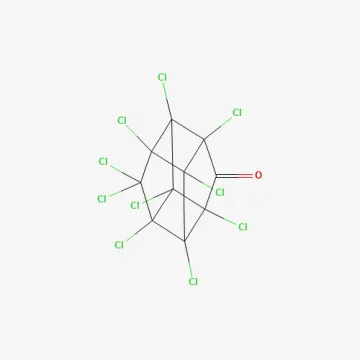
Chlordecone
Description
Mode of action
Chlordecone is a polycyclic chlorinated hydrocarbon that belongs to the organochlorine family. It functions as a powerful neurotoxic agent that disrupts the nervous system of various insect species.
The chemical structure of the substance provides exceptional stability against biological and photochemical degradation, making it one of the most persistent pollutants in existence.
Upon entering an organism, chlordecone disrupts signal transmission, leading to paralysis and eventual death. Its lipophilic nature allows it to accumulate in fatty tissues, leading to significant bioaccumulation.
Because of its non-selective nature, the substance exerts a detrimental impact on beneficial insects and other non-target organisms within the agroecosystem.
Current scientific consensus identifies it as a hazardous compound with no role in modern sustainable agriculture due to its extreme environmental persistence.
What it targets
Historically, chlordecone was utilized as a broad-spectrum insecticide, particularly effective in tropical climates where standard pesticides often degraded too quickly.
It was primarily applied to protect banana plantations against the banana root borer and other pests that inflicted damage on root systems.
The compound also saw usage in combating various soil-dwelling insects, ants, and termites that were resistant to other chemical control agents available at the time.
Its effectiveness was noted in managing infestations in both ornamental plant nurseries and specific food crops before its toxicity risks were fully understood.
Despite its historical utility in pest management, the ecological cost of using such a stable and toxic chemical far outweighed its agricultural benefits.
Restrictions
Chlordecone is strictly prohibited worldwide under the Stockholm Convention on Persistent Organic Pollutants, which forbids its production and use.
The substance poses severe health risks to humans, including carcinogenic effects, reproductive disorders, and neurological damage, often resulting from long-term exposure.
Once applied to agricultural soil, chlordecone remains present for decades, as its chemical bonds are highly resistant to natural decomposition processes.
Land management protocols for contaminated sites require strict containment and remediation strategies to prevent the substance from leaching into water tables.
There are no acceptable exposure limits for chlordecone in food or environmental media, emphasizing the necessity of total eradication of its presence in the landscape.
Status in the European Union
Not approved in the EU
- CAS number
- 143-50-0
EU status is for reference only and does not replace national registration in your country.