
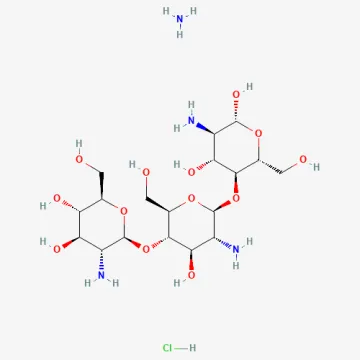
Chitosan hydrochloride
Description
Mode of action
Chitosan hydrochloride is a derivative of chitin, a natural polysaccharide found in the shells of crustaceans. In modern agriculture, it is classified as a biofungicide and a powerful elicitor that triggers systemic acquired resistance in a wide variety of plant species.
The mechanism of action relies on the activation of plant defense genes. When applied, chitosan is recognized by plant cell receptors as a signal of pathogenic attack, inducing the production of phytoalexins, enzymes like chitinases, and other secondary metabolites that strengthen the plant's structural barriers.
Direct antifungal properties are achieved through the interaction of positively charged chitosan molecules with the negatively charged components of fungal cell membranes. This leads to membrane destabilization, leakage of cytoplasmic contents, and eventual cell death of the pathogen.
Beyond its chemical activity, chitosan forms a biocompatible film on the surface of leaves and fruits. This barrier restricts oxygen and moisture availability to fungal spores, effectively inhibiting the germination process and the growth of hyphae during initial stages of infection.
Chitosan also acts as a plant growth biostimulant by enhancing nutrient uptake efficiency. It strengthens plant cell walls, rendering the tissue physically more resistant to mechanical penetration by fungal pathogens and improving the overall vigor of the crop.
What it targets
This group of substances is effective against a broad range of phytopathogens affecting vegetables, fruits, and cereals. It is particularly valued for its control of powdery mildew, gray mold (Botrytis), and various leaf spot diseases that commonly plague greenhouse and field crops.
Chitosan hydrochloride demonstrates significant efficiency against soil-borne pathogens, including Fusarium, Pythium, and Rhizoctonia. Seed treatments with this compound significantly reduce the incidence of damping-off and promote faster root system development during early seedling stages.
In pomology and viticulture, the substance is used to control apple scab and various fruit rots. Its ability to extend shelf life makes it a popular choice for pre-harvest applications, helping to mitigate post-harvest losses caused by fungal and bacterial degradation of produce.
Due to its ability to stimulate the production of antibacterial proteins, chitosan is also effective in managing various bacterial plant diseases. This versatility allows it to function as a key component in integrated pest management (IPM) strategies for both organic and conventional farming.
Furthermore, chitosan can discourage herbivorous pests by altering the leaf surface chemistry, making it less palatable for insects and reducing the overall damage caused by pest feeding in various cropping systems.
Rates and timing
Application rates vary depending on the crop, the specific formulation, and the method of application. Typically, foliar sprays are conducted using solutions with a concentration ranging from 0.1% to 0.5% of the active ingredient.
The timing of applications should be synchronized with the growth stages most vulnerable to infections. Preventive use is strongly recommended, as the primary goal of the compound is to prime the plant's immune system before the infection pressure becomes too high.
For seed treatment, the dosage is usually between 0.5 and 3 liters of product per ton of seeds. Mechanized coating ensures uniform coverage, which is critical for protecting the germinating seed from pathogens present in the soil environment.
Chitosan hydrochloride is generally compatible with other biological control agents. However, when mixing with chemical pesticides, it is essential to check the pH of the tank mix, as extreme acidity or alkalinity can affect the solubility and stability of the polymer.
The frequency of application is typically every 10–14 days. During periods of high humidity and rapid vegetative growth, intervals may be shortened to ensure that new plant tissue is adequately coated and protected against environmental pathogen threats.
Restrictions
Chitosan hydrochloride is considered to have very low toxicity to humans and non-target organisms. Nevertheless, standard safety protocols, including the use of gloves and protective eyewear, should be followed to prevent minor skin or eye irritation when handling concentrated formulations.
Applications should be avoided during extreme heat or direct, intense sunlight, as rapid evaporation may lead to the formation of an overly rigid film that could potentially inhibit gas exchange (photosynthesis and respiration) under extreme stress conditions.
The substance should be stored in a cool, dark place to prevent the degradation of its long-chain molecular structure. Exposure to direct UV light can reduce its biological activity, significantly diminishing the effectiveness of the treatment over time.
It is important to observe regional regulations regarding application in protected areas and around beehives. While the substance is non-toxic, the surfactants often used in commercial formulations may require adherence to specific pollinator protection guidelines.
Although the product is environmentally friendly, it is not a "magic bullet." Its effectiveness as a systemic inducer of immunity depends heavily on the plant's metabolic state; therefore, it should be used in conjunction with balanced nutrition and proper crop management practices.
Status in the European Union
Approved in the EU
- CAS number
- 9012-76-4
- Approved from
- 01.07.2014
- ADI
- Not appl.
- ARfD
- Not appl.
- AOEL
- Not appl.
EU status is for reference only and does not replace national registration in your country.