
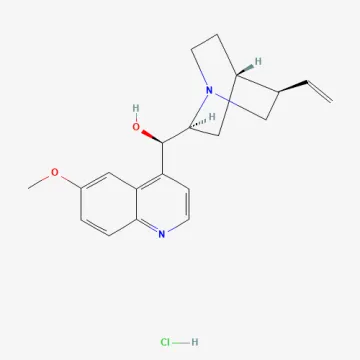
Quinine hydrochloride
Description
Mode of action
Quinhy hydrochloride belongs to the quinoline derivative group and exhibits significant fungicidal and antibacterial activity in agricultural crop protection.
The mechanism of action of the substance is based on disrupting the synthesis of nucleic acids and proteins in pathogen cells, leading to growth inhibition.
The preparation effectively penetrates plant tissues, providing both preventive and eradicative effects against a wide spectrum of fungal pathogens.
Due to its systemic properties, the active ingredient is distributed evenly throughout the plant's vascular system, protecting new growth from secondary infections.
Quinhy hydrochloride is frequently used in integrated pest management programs to prevent the development of resistance in pathogenic organisms.
What it targets
The primary use of quinhy hydrochloride is to combat powdery mildew, leaf spot diseases, and bacterial infections in vegetable and fruit crops.
The substance effectively suppresses phytopathogen development under high humidity conditions, where the risk of epiphytotics is at its peak.
The preparation is successfully applied in the protection of tomatoes, cucumbers, and potatoes against complexes of diseases caused by both fungi and specific bacteria.
The spectrum of action includes the control of alternaria, septoria, and other leaf spots that affect plant foliage during the active growth phase.
- Powdery mildew fungi
- Bacterial diseases of vegetables
- Leaf spots of various etiologies
Rates and timing
Application rates for quinhy hydrochloride depend on the target crop and the severity of infection, typically ranging from 0.5 to 1.5 liters per hectare.
Optimal application timing coincides with the beginning of the vegetative phase or the appearance of initial signs of disease on plants.
Follow-up applications are recommended at 10–14 day intervals, depending on weather conditions and the phytosanitary status of the field.
Thorough coverage of leaf surfaces with the working solution is crucial to achieving maximum efficacy of the active substance.
The temperature during application should be between +15 and +25 degrees Celsius for optimal uptake by the plants.
Restrictions
When working with quinhy hydrochloride, strict adherence to personal protective equipment protocols is necessary to avoid skin and inhalation contact.
Applications near water bodies and during peak bee activity periods are prohibited due to the potential toxicity of the formulation components.
The active ingredient should be stored in its original packaging in a cool, dry place out of reach of children and farm animals.
When preparing tank mixes, it is highly recommended to perform a physical and chemical compatibility test with other pesticides or fertilizers.
Compliance with pre-harvest intervals is essential to ensure the ecological safety and marketability of the harvested produce.
Status in the European Union
Not approved in the EU
- CAS number
- 130-89-2
EU status is for reference only and does not replace national registration in your country.