
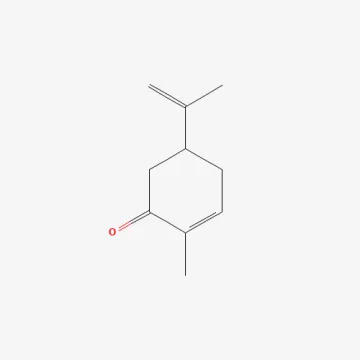
Carvone
Description
Mode of action
Carvone is a terpenoid belonging to the monoterpene group, widely found in the essential oils of many plants, particularly in caraway and dill seeds.
As a crop protection agent and plant growth regulator, carvone acts as a powerful inhibitor of the cell division process in the meristematic tissues of tubers and bulbs.
The mechanism of sprout inhibition is based on biochemical interference with the plant's hormonal balance, preventing dormant buds from entering the active growth phase.
In addition to direct growth inhibition, the substance exhibits fungistatic properties, slowing the development of certain pathogenic fungi on the surface of stored produce.
Due to its natural origin, carvone undergoes rapid biodegradation, which minimizes the risks of residue accumulation in finished agricultural products.
What it targets
The primary target application for carvone is the prevention of potato sprouting during long-term storage in warehouse facilities.
The substance effectively limits sprout development on commercial batches, which helps maintain the appearance and nutritional value of root vegetables for many months.
In certain concentrations, carvone is used as an auxiliary agent to reduce the risk of infection of stored vegetables by rots caused by soil-borne pathogens.
Preparations based on this substance are in demand in organic farming, where the use of synthetic sprout inhibitors is restricted or prohibited.
Carvone is also considered a promising component for controlling certain storage pests, acting as a natural repellent.
Rates and timing
Carvone application is carried out through fumigation in airtight storage facilities equipped with active ventilation systems for even distribution of vapors.
The dosage of the preparation is strictly regulated by the volume of the storage facility and the degree of container filling, with calculations usually based on the tonnage of produce.
A key condition for effectiveness is the creation of a stable concentration of the substance's vapors in the inter-tuber space over a specific period.
Treatment timing depends on the potato dormancy phase and environmental conditions inside the warehouse; treatment is preferably performed before visible bud sprouting begins.
Regular monitoring of the product's condition allows for the adjustment of the applied amount of the substance to prevent spoilage and reduce costs.
Restrictions
The use of carvone requires strict adherence to temperature regimes, as the volatility of the substance depends directly on environmental conditions.
Ensuring complete airtightness of storage facilities is necessary to avoid leakage of the active substance and a drop in concentration below the therapeutic level.
When working with concentrated forms of carvone, standard safety measures should be followed, avoiding direct contact with mucous membranes and respiratory organs.
When used on potatoes intended for human consumption, it is important to comply with legislation regarding maximum residue levels in food products.
It is not recommended to exceed established application rates, as this may lead to damage to tuber tissues and alterations in their organoleptic characteristics.
Status in the European Union
Approved in the EU
- CAS number
- 244-16-8
- Approved from
- 01.08.2019
- Approval until
- 31.07.2034
- ADI
- 0.6 mg/kg bw/day
- ARfD
- Not appl.
- AOEL
- 0.6 mg/kg bw/day
EU status is for reference only and does not replace national registration in your country.