
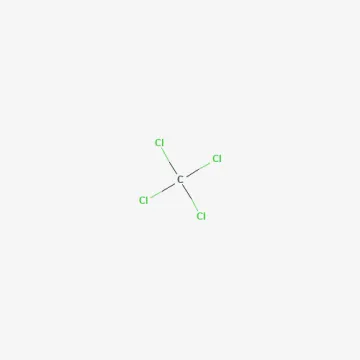
Carbon tetrachloride
Description
Mode of action
Carbon tetrachloride is a halogenated hydrocarbon historically utilized in agricultural pest management as a potent fumigant for stored commodities.
Its primary action involves the release of heavy, toxic vapors that displace air and penetrate deep into packed grain bulks where pests reside.
The substance acts primarily as a respiratory poison for insects, disrupting their central nervous system and metabolic processes upon inhalation.
Due to its high vapor pressure, it provides effective control of various developmental stages of pests, ensuring broad coverage within storage facilities.
In various applications, it was favored for its ability to reduce the flammability of other chemical mixtures used in large-scale agricultural fumigation.
What it targets
This substance is specifically designated for the disinfestation of stored grain, seeds, and processed cereal products in elevators and warehouses.
The target spectrum includes primary and secondary storage pests that cause significant quantitative and qualitative losses in agricultural stocks.
It is effective against various beetles, moths, and mites that infest grain bulks, preventing the degradation of stored food and feed resources.
The chemical is capable of reaching hidden pests that remain protected inside individual grain kernels, providing thorough protection for the storage lot.
- Granary weevils
- Flour beetles
- Grain moths
- Storage mites
Rates and timing
Application rates must be strictly calibrated based on the structural volume of the storage facility and the degree of airtightness to ensure efficacy.
The duration of exposure is a critical factor, as it must be sufficient to allow the gas to permeate all strata of the treated grain mass.
Post-treatment degassing is mandatory to ensure that chemical concentrations return to safe levels before personnel can re-enter the facility.
Handling requires certified professionals equipped with specialized respiratory and dermal protection gear to prevent acute exposure to the toxin.
Environmental temperatures significantly influence the diffusion rate, often requiring adjustments to application schedules for optimal pest control results.
Restrictions
Carbon tetrachloride poses significant health risks to humans and animals, necessitating rigorous safety protocols and restricted use in modern agriculture.
Due to its recognized impact on the ozone layer and environmental persistence, it is heavily regulated or phased out in many jurisdictions worldwide.
It is not recommended for treating seed stock sensitive to chemical exposure, as high concentrations may negatively affect germination rates.
Strict environmental regulations prohibit the release of any residues into soil or water systems to avoid long-term ecological damage and contamination.
The current agronomic trend favors the adoption of safer, modern fumigants such as phosphine-based products, which offer better safety profiles.
Status in the European Union
Not approved in the EU
- CAS number
- 56-23-5
EU status is for reference only and does not replace national registration in your country.