
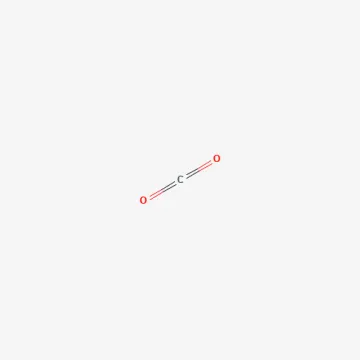
Carbon dioxide
Description
Mode of action
Carbon dioxide (CO2) in agronomy acts as an inert fumigant gas, creating an environment unsuitable for the survival of insects and mites. Its mechanism of action is based on displacing oxygen from the intergranular space, leading to the death of pests due to hypoxia and subsequent dehydration of their organisms.
Unlike many chemical fumigants, carbon dioxide does not enter into active chemical reactions with food products, making it a preferred choice in organic farming. The gas penetrates deep into grain bulks, providing high treatment efficiency even in densely stored agricultural commodities.
The impact of carbon dioxide depends on its concentration and exposure time. To achieve a lethal effect, it is necessary to maintain the gas concentration in airtight volumes at levels of 30-60% or higher for an extended period, which paralyzes the respiratory cycles of the stored-product pests.
An important feature of this method is the absence of toxic residues in the treated produce. This allows carbon dioxide to be used for disinfestation of seeds, grains, and legumes without the risk of losing their germination capacity or nutritional value.
The efficacy of gas application directly depends on the airtightness of the facility. Since carbon dioxide is heavier than air, it tends to accumulate in the lower layers of the storage, which requires proper ventilation or circulation systems to ensure uniform distribution throughout the bulk.
What it targets
Carbon dioxide is primarily used for controlling stored-product pests in warehouses, silos, and shipping containers. It demonstrates high effectiveness against adults and larvae of various beetles, weevils, moths, and mites that damage cereal, oilseed, and legume crops during storage.
Primary target pests include the granary weevil, rice weevil, red flour beetle, as well as grain moths and meal moths. These pests can cause significant damage during long-term storage by reducing both the weight and quality of the grain through embryo destruction.
Furthermore, the gas affects hidden pests that reside inside the grains. The use of carbon dioxide stops pest population development at all stages of their life cycle, provided that the required concentration and exposure time parameters are strictly maintained.
The method is effective not only for cereals but also for dried fruits, nuts, and other food items sensitive to aggressive pesticide exposure. Due to its inert nature, it does not alter the organoleptic properties of the treated products.
Using this fumigant allows for rapid disinfestation without the need for prolonged aeration periods, which accelerates the process of preparing products for shipment or further processing by the consumer.
Rates and timing
Application rates for carbon dioxide are determined by the storage volume and the level of seal integrity. On average, maintaining a gas concentration between 30% and 80% of the total air volume in the storage for 10-15 days is required to ensure complete pest population mortality.
To achieve a consistent effect, environmental temperature must be considered: at lower temperatures, pest metabolic activity decreases, which necessitates an increase in exposure time or gas concentration within the airtight system.
Fumigation schedules are planned based on the development cycle of the pests and the intended use of the products. Treatments are most frequently conducted when grain is placed into long-term storage or upon initial detection of infestation signs.
It is recommended to perform preliminary airtightness tests before introducing the gas. Modern dosing systems allow for the automated control of carbon dioxide delivery, ensuring that parameters are met without exposing personnel to the hazardous zone.
It is important to remember that short-term concentrations are ineffective against pest eggs. Therefore, exposure periods are calculated to cover all phases of insect ontogenesis, including the stages most resistant to environmental changes.
Restrictions
The main limitation when working with carbon dioxide is the requirement for absolute airtightness of the treated facility. Any gas leakage leads to a rapid drop in concentration and, consequently, a reduction or complete loss of fumigation effectiveness.
Carbon dioxide poses a serious danger to human life and health at high concentrations in confined spaces. Operations must be conducted by strictly trained professionals using appropriate gas monitoring equipment and personal respiratory protection.
A gas monitoring system must be organized for all areas of the storage facility. If maximum permissible limits are exceeded in working areas, personnel must immediately evacuate the area and ensure ventilation until safe levels are achieved.
Unlike some specialized pesticides, carbon dioxide does not provide a residual protective effect. This means that if pests re-enter the storage through unsealed gaps or damaged packaging, the protection will not be maintained.
- Ensure sealing of all cracks and ventilation openings.
- Utilize carbon dioxide leak detectors.
- Display warning signs regarding suffocation risks.
- Conduct mandatory safety training for all personnel.
- Use only certified equipment for gas injection.
Status in the European Union
Approved in the EU
- CAS number
- 124-38-9
- Approved from
- 01.05.2022
- Approval until
- 30.04.2037
- ADI
- Not appl.
- ARfD
- Not appl.
- AOEL
- Not appl.
EU status is for reference only and does not replace national registration in your country.