
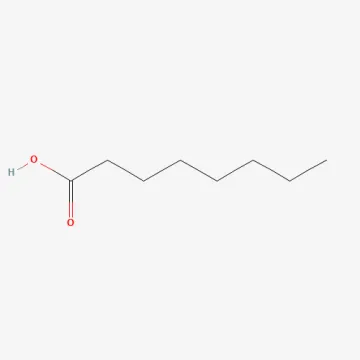
Caprylic acid
Description
Mode of action
Caprylic acid, also known as octanoic acid, is a saturated medium-chain fatty acid. In agronomy, it is utilized as a non-selective, contact-based pesticide that provides rapid burning effects on plant tissues.
The mode of action involves the direct disruption of the plant's cuticular wax layer and cellular membranes. By compromising these barriers, the acid induces rapid dehydration and physical death of the green plant tissue.
Being a contact-only substance, caprylic acid does not possess systemic activity. It remains localized where it is sprayed, which ensures that it does not translocate to the roots or other parts of the plant, preventing damage to the vascular system of the crop.
The visual impact of the application is typically rapid, often resulting in wilting and browning of treated weeds within hours, especially when applied under favorable weather conditions.
Following application, caprylic acid is subject to quick microbial degradation in the soil. This environmental profile makes it a favorable option for sustainable farming practices and short-term weed management.
What it targets
This substance is effective against a wide range of annual broadleaf weeds and grasses, particularly those at the seedling stage. It works best on young, actively growing plant tissues.
Beyond its herbicidal role, caprylic acid is employed as a fungicide to manage surface-level fungal pathogens by compromising their structural integrity and cell walls.
Its application is well-suited for weed control in orchard aisles, vineyard rows, and non-crop areas where complete vegetation knockdown is required without leaving soil residues.
- Young annual weed seedlings
- Mosses and lichens on hard surfaces
- Surface-borne fungal spores
- Sucker control on certain woody crops
It is important to note that mature or perennial weeds with extensive root systems may require multiple treatments, as the contact nature of the herbicide does not kill underground organs.
Rates and timing
Application rates depend on the target weed density and the specific equipment used. High spray volumes are often necessary to ensure complete coverage of all foliage, as the contact effect requires total wetting.
The most effective results are achieved on dry, sunny days. High ambient temperatures amplify the herbicidal action by increasing the evaporation rate and stress on plant tissues.
When using this product near sensitive crops, precision application is required. Directed spraying equipment or protective shields are essential to prevent drift and damage to non-target plants.
In cases of high weed pressure, repeat applications may be necessary as new weeds emerge from the seed bank, given the lack of long-term residual soil activity.
Always calibrate the sprayer to deliver the recommended concentration, as an insufficient application volume may only cause temporary cosmetic damage to the weeds rather than complete control.
Restrictions
Caprylic acid is a skin and eye irritant. Operators should wear appropriate personal protective equipment (PPE), including gloves and goggles, to avoid accidental exposure during mixing and spraying.
Do not mix the product with alkaline agents or fertilizers, as the pH shift can neutralize the acid and significantly reduce its biological efficacy in the field.
The substance can be corrosive to metal parts of spraying equipment over time. Thorough rinsing of the spray tank, hoses, and nozzles with clean water after each use is mandatory.
While environmentally benign in moderate use, direct discharge into water bodies should be avoided to prevent potential harm to aquatic life, which can be sensitive to concentrated fatty acids.
Store the product in its original, sealed container in a cool, well-ventilated area away from direct sunlight and flammable materials to ensure product stability and safety.
Status in the European Union
Approved in the EU
- CAS number
- 124-07-2
- Approved from
- 01.09.2009
- Approval until
- 01.12.2026
EU status is for reference only and does not replace national registration in your country.