
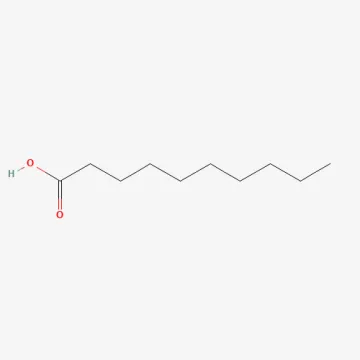
Capric acid
Description
Mode of action
Caprylic acid, also known as decanoic acid, belongs to the class of saturated fatty acids. In agronomy, it is classified as a broad-spectrum contact pesticide that possesses both herbicidal and fungicidal properties.
The mode of action is based on the physicochemical destruction of the cell membranes of harmful organisms. When the acid comes into contact with the surface of a plant or pathogen, it dissolves the waxy cuticle layer and damages the cell membranes.
This process results in rapid dehydration of plant tissues, leading to necrosis. Products based on this acid act instantly, providing a noticeable burning effect on the green parts of weeds.
As a fungicide, the substance disrupts the integrity of fungal spore membranes and mycelium, preventing their development and germination. This makes caprylic acid an effective tool for managing surface infections.
An important aspect is that caprylic acid is a substance with a low level of persistence. It decomposes rapidly in the soil due to microbial activity, which reduces the risk of toxic residues accumulating in the harvest.
What it targets
Products based on caprylic acid are primarily used to control young weeds at the seedling stage. It effectively suppresses the growth of broad-leaved and grass species upon direct contact with the spray solution.
In the fungicide segment, the substance is used for the control of powdery mildew on various vegetable and ornamental crops. It helps reduce the infectious pressure in greenhouses and open fields.
Caprylic acid is also used as a desiccant to dry out potato foliage before harvesting. This facilitates mechanical harvesting and reduces the incidence of tuber diseases.
Additionally, the substance can be used as a plant growth regulator to control shoot formation (e.g., sucker control in tobacco and other crops). Physical damage to growing points prevents further development.
The primary target objects are weeds with soft tissues. More mature or woody plants require significantly higher concentrations of the product to achieve the desired effect.
Rates and timing
Application rates of caprylic acid depend directly on the intended use and the growth stage of the crop. Typically, concentrated solutions are used, designed for fine-droplet spraying.
When used as a short-term herbicide, the concentration of the working solution varies depending on the species composition of the weeds. Application is recommended during morning or evening hours when wind speeds are low.
To achieve maximum efficiency as a desiccant, timing is determined by the physiological state of the crop (e.g., the onset of natural foliage wilting). The product must fully cover the leaf surface being treated.
Intervals between repeat applications are set based on the rate of new weed emergence or pathogen development. It is essential to strictly follow the manufacturer's recommendations provided on the product label.
When mixing with other pesticides, a physical compatibility test should be conducted. Due to their specific impact on membranes, fatty acids can enhance the efficacy of other herbicides, acting as adjuvants.
Restrictions
Working with caprylic acid requires adherence to standard safety measures for handling agrochemicals. The substance can cause irritation to the skin and mucous membranes upon direct contact.
Personal protective equipment must include gloves, safety goggles, and protective clothing. If the concentrate comes into contact with the skin, it must be washed off immediately with plenty of soap and water.
Fatty acid-based products are sensitive to the water quality used for tank mixing. Increased water hardness can reduce the efficacy of the active substance by forming insoluble salts.
The product should be stored in its original packaging away from direct sunlight and heat sources. Optimal conditions include a cool, dry, and well-ventilated area, inaccessible to children and animals.
Application is not recommended at air temperatures above 25–30 degrees Celsius, as this may lead to reduced efficacy and a risk of phytotoxicity to crops.
Status in the European Union
Approved in the EU
- CAS number
- 334485
- Approved from
- 01.09.2009
- Approval until
- 01.12.2026
EU status is for reference only and does not replace national registration in your country.