
Calcium hydroxide
Description
Mode of action
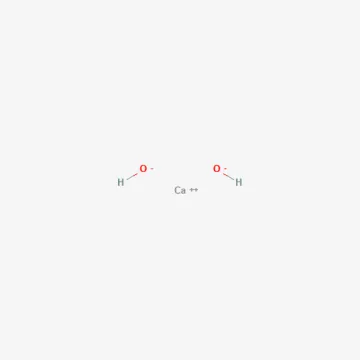
Calcium hydroxide, commonly referred to as slaked lime or hydrated lime, is an inorganic compound widely used in agriculture for its significant antiseptic properties. When applied to plant surfaces, it creates a highly alkaline environment that is detrimental to the survival of most fungal spores and bacteria.
The primary mechanism of action is the rapid shift in pH levels. This alkalinity causes the denaturation of microbial proteins, effectively killing pathogens upon contact. This action makes it an excellent preventive tool against various infections in orchards and ornamental gardens.
Beyond its direct fungicidal effect, calcium hydroxide provides a physical barrier when applied to tree trunks and branches. This protective layer helps seal small cracks and crevices, preventing the entry of pathogens and providing shelter for overwintering pests.
It also plays a role in soil chemistry by neutralizing excess acidity. By adjusting the soil pH, calcium hydroxide indirectly promotes better nutrient uptake and strengthens plant cell walls, which in turn enhances the plant's natural resistance to environmental stress.
The persistence of the protective layer depends heavily on weather conditions. As the substance is gradually washed away by rain, its effectiveness decreases over time, necessitating regular re-application in high-humidity climates to maintain optimal protection levels.
What it targets
Calcium hydroxide is primarily used to control fungal diseases such as apple scab, monilinia (brown rot), and various leaf spot diseases. It is particularly effective for treating fruit trees and shrubs during their dormant period.
It serves as an essential component in the preparation of protective mixtures, most notably Bordeaux mixture. In this combination, the lime neutralizes the acidity of copper sulfate, making the resulting spray safe for plant application while maximizing the copper's fungicidal efficacy.
The substance is widely applied to treat pruning wounds and mechanical injuries on bark. By disinfecting these areas, it prevents the development of secondary infections, such as cankers and wood rot, which can be devastating to orchard health.
It is also used to manage moss and lichen growth on older trees. Reducing these biological growths improves the overall sanitation of the garden and minimizes the hidden areas where harmful insects can hibernate.
In greenhouses and nursery facilities, calcium hydroxide is utilized for the sanitation of equipment, surfaces, and structures. This practice helps eliminate pathogen reservoirs and provides a sterile environment for the new growing season.
Rates and timing
Proper concentration is critical when preparing solutions to avoid chemical burns on plant tissues. For trunk whitening, a common and effective concentration is a 20–30% mixture (2–3 kg of lime per 10 liters of water).
When applying as a protective spray for tree crowns during the dormant stage, lower concentrations are used. Continuous stirring is necessary during preparation, as calcium hydroxide is poorly soluble and tends to form sediments that can block spray nozzles.
The timing of the application is vital for safety and efficacy. Preventive treatments are best carried out in late winter or early spring before bud break, or in late autumn after leaf fall, when the plant is not actively growing.
During the growing season, direct contact with foliage should be avoided. The caustic nature of the solution can cause severe leaf burn, meaning applications should be strictly limited to the woody parts of the plants if necessary.
When using equipment to apply these solutions, ensure the sprayer has an agitator or manually shake the tank frequently to maintain a uniform suspension and prevent clogs in the nozzle system.
Restrictions
Calcium hydroxide is a caustic substance that can cause significant irritation to skin, eyes, and respiratory passages. The use of appropriate personal protective equipment, including gloves, goggles, and a respirator, is mandatory during handling.
It should not be mixed with most modern systemic organic pesticides. The high alkalinity of calcium hydroxide will lead to the rapid hydrolysis of these active ingredients, rendering them ineffective and wasting resources.
Excessive application to the soil should be avoided, as it can lead to an overly high pH. This can cause nutrient lock-out, particularly for essential micronutrients like iron, manganese, and boron, potentially leading to chlorosis in susceptible crops.
Weather conditions significantly impact performance. High winds increase the risk of spray drift, while heavy rain will wash the protective coating off the plant surfaces, severely reducing the duration of the protective effect.
Storage must be done in airtight containers. Exposure to air causes the substance to react with carbon dioxide, turning it into calcium carbonate, which lacks the antiseptic and pH-modifying properties required for plant protection purposes.
Status in the European Union
Approved in the EU
- CAS number
- 1305-62-0
- Approved from
- 01.07.2015
- ADI
- Not appl.
- ARfD
- Not appl.
- AOEL
- Not appl.
EU status is for reference only and does not replace national registration in your country.