
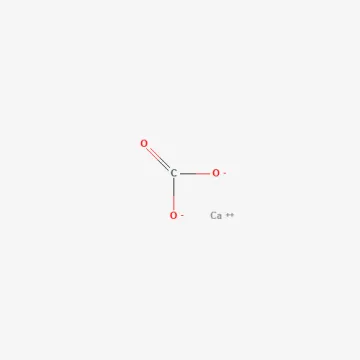
Calcium carbonate
Description
Mode of action
Calcium carbonate (CaCO3) is utilized in agriculture as a physical barrier-based plant protection agent. When applied as a fine powder suspension, it forms a dry, microscopic mineral film over the surface of the plant tissue, which acts as a deterrent for many pathogens.
This film alters the micro-environment on the leaf and fruit surfaces. By creating a hydrophobic or textured layer, it limits the water accumulation necessary for the germination of fungal spores, effectively suppressing common surface infections.
The mineral layer functions as a physical repellent against various insects. The abrasive nature of the particles interferes with the ability of pests to cling to the plant, feed, or deposit eggs, which significantly reduces the pressure of infestation.
Calcium carbonate is also widely used for thermoregulation of fruits. By reflecting a significant portion of ultraviolet and infrared radiation, it helps maintain lower surface temperatures, preventing solar injury and skin cracking in sensitive fruit crops.
As a naturally occurring mineral, it is highly valued in sustainable and organic farming systems. It poses no toxicity risk to the environment, beneficial insects, or consumers, and does not leave harmful chemical residues in the soil.
What it targets
The application of calcium carbonate covers several specific agricultural needs:
- Prevention of fungal diseases such as powdery mildew and scab.
- Control of surface-feeding insects and small pests like aphids.
- Mitigation of heat stress and sunscald on apple, pear, and stone fruit crops.
Rates and timing
Application involves specialized spraying equipment capable of maintaining fine particle suspension. The rate of application is typically determined by the target coverage area and the phenological stage of the crop.
Timing is critical to ensure a consistent protective coating is established before peak pest pressure or high-intensity summer heat. Repeated applications are necessary after significant rainfall to restore the protective layer.
Restrictions
The primary constraint is the lack of systemic action; the product only protects the exact area it covers. Any new growth occurring after the application remains vulnerable until it is treated.
There is also a consideration regarding post-harvest handling, as the characteristic white residue might require removal depending on the market standards for fruit presentation and cleanliness.
Status in the European Union
Approved in the EU
- CAS number
- 471-34-1
- Approved from
- 01.11.2021
- Approval until
- 31.10.2036
- ADI
- Not appl.
- ARfD
- Not appl.
- AOEL
- Not appl.
EU status is for reference only and does not replace national registration in your country.