
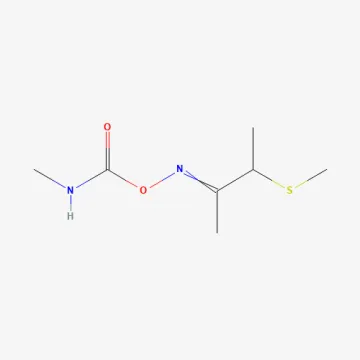
Butocarboxim
Description
Mode of action
Butocarboxim belongs to the carbamate chemical class. It is a systemic insecticide and acaricide known for its high biological activity against a wide range of phytophagous pests.
The mechanism of action involves inhibiting the enzyme acetylcholinesterase in the insect nervous system. This disruption of nerve impulse transmission leads to paralysis and death of the target pest.
Formulations based on butocarboxim are absorbed by plant tissues, providing long-lasting protection for new growth, young shoots, and leaves against sucking and chewing insects.
Due to its systemic properties, the active ingredient translocates through the plant vascular system, reaching protected areas where pests typically hide and feed.
Its regular application allows for effective population management, keeping insect numbers below the economic threshold and preventing significant yield loss.
What it targets
Butocarboxim is effective in controlling various species of aphids, thrips, whiteflies, and spider mites that affect vegetable and ornamental crops.
The substance is also effective against scales and false scales, which are persistent pests in greenhouse environments and commercial orchards.
The active ingredient acts on both adult insects and larval stages, effectively interrupting the development cycle and preventing future generations.
Its broad-spectrum efficacy makes it a valuable component in integrated pest management (IPM) programs for greenhouses and intensive horticulture.
Through its contact and systemic stomach action, pests are eliminated both by direct exposure during spraying and by feeding on the treated plant material.
Rates and timing
Application rates for butocarboxim are determined by the specific crop type, the level of infestation, and the growth stage of the pests being targeted.
The working solution is prepared by mixing the concentrate with water, ensuring that all plant surfaces are thoroughly covered during the application process.
Applications should be timed to coincide with the onset of pest activity. It is essential to rotate butocarboxim with insecticides of other classes to manage resistance.
Frequency of use is limited by environmental regulations and professional health standards to prevent the accumulation of residues in the final agricultural product.
Weather conditions, such as temperature and humidity, should be considered to ensure optimal absorption and effectiveness of the treatment.
Restrictions
Butocarboxim is moderately toxic to mammals; therefore, personal protective equipment (PPE) for the skin, eyes, and respiratory tract is mandatory during handling and application.
Spraying must be avoided near apiaries and during periods when pollinators are active, as the substance is highly toxic to bees and other beneficial insects.
Strict adherence to pre-harvest intervals (PHI) is required to ensure that the produce is safe for consumption and complies with international residue standards.
In the soil, the active ingredient undergoes gradual biological decomposition, which minimizes long-term environmental impact when used according to label instructions.
Storage must occur in original, tightly sealed containers in a cool, dry area away from food, feed, and unauthorized access by children or animals.
Status in the European Union
Not approved in the EU
- CAS number
- 34681-10-2
- Category (EU)
- IN - Insecticide
EU status is for reference only and does not replace national registration in your country.