
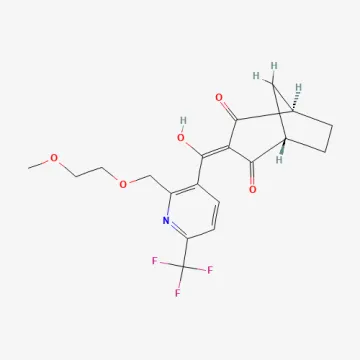
Bicyclopyrone
Description
Mode of action
Bicyclopyrone belongs to the triketone class of chemical herbicides. It acts as a systemic agent by inhibiting the 4-hydroxyphenylpyruvate dioxygenase (4-HPPD) enzyme.
By blocking this specific enzyme, the herbicide disrupts the biosynthesis of carotenoids, which are vital for protecting chlorophyll from light-induced damage.
As a result, sensitive weeds experience bleaching and chlorosis of young tissues, which quickly progresses to necrosis and death of the entire plant.
The active ingredient is absorbed through both leaves and roots, displaying systemic mobility that allows it to reach the meristematic tissues of target weeds.
Weed death usually occurs within 7 to 14 days post-application, depending on environmental factors that influence the metabolic activity of the weeds.
What it targets
Bicyclopyrone is primarily utilized to control a broad spectrum of annual broadleaf weeds and some grass species in maize production systems.
It is highly effective against major competitive weed species, including common lambsquarters, pigweed, ragweed, smartweed, and black nightshade.
The compound is valued for its selectivity, providing excellent crop safety for maize while delivering powerful results against aggressive weed populations.
It is particularly effective against weed biotypes that have developed resistance to more traditional herbicide classes like triazines or sulfonylureas.
When used in premix formulations, bicyclopyrone enhances the overall efficacy of weed management programs, ensuring a cleaner field during the growing season.
Rates and timing
Optimal application timing is generally between the 2-leaf and 8-leaf stages of maize, targeting weeds during their early, most vulnerable growth phases.
Application rates are determined by factors such as the specific weed spectrum present, the density of the infestation, and prevailing soil and climate conditions.
The use of adjuvants is frequently recommended in tank mixtures to improve the uptake of the active ingredient and maximize performance across varied conditions.
Best results are achieved when application is performed under favorable weather conditions, avoiding extreme drought or potential runoff from heavy rainfall.
Agronomists should strictly adhere to the manufacturer's label rates to ensure both effective weed control and continued health of the maize crop.
Restrictions
Crop rotation considerations are essential as residual levels of bicyclopyrone in the soil may affect subsequent sensitive crops in the following seasons.
Application should be avoided on maize crops undergoing stress, such as frost damage, severe drought, or significant insect/disease pressure.
Handlers must wear appropriate personal protective equipment during the mixing and application process to ensure safety and prevent chemical exposure.
Precautions should be taken to prevent drift, ensuring the herbicide does not affect nearby sensitive crops or non-target ecological areas.
Storage must be in original containers, kept in a cool, well-ventilated location that is secure and restricted from unauthorized access.
Status in the European Union
Not approved in the EU
- CAS number
- 352010-68-5
EU status is for reference only and does not replace national registration in your country.