
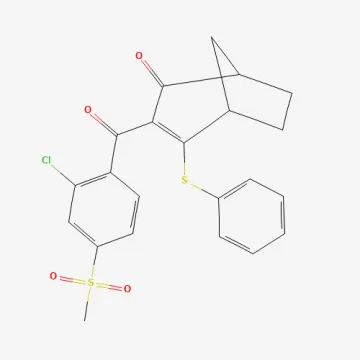
Benzobicyclon
Description
Mode of action
Benzobicyclon belongs to the triketone class of herbicides and acts as a potent inhibitor of the 4-hydroxyphenylpyruvate dioxygenase (HPPD) enzyme.
By inhibiting this enzyme, the herbicide disrupts the carotenoid biosynthesis pathway, which is essential for protecting chlorophyll from photo-oxidation.
The deficiency of carotenoids leads to the destruction of chlorophyll, resulting in characteristic bleaching symptoms in the young leaves of susceptible weeds.
It is a systemic herbicide, meaning it is absorbed by the roots and foliage of weeds and translocated throughout the plant to the meristematic tissues.
This mode of action makes benzobicyclon a critical tool in managing weeds that have developed resistance to other common herbicide groups, such as ALS or ACCase inhibitors.
What it targets
Benzobicyclon is primarily utilized in paddy rice cultivation to control a broad range of annual and perennial grasses and sedges.
It is highly effective against Echinochloa species, which are among the most problematic weeds in global rice production systems.
The herbicide also provides excellent control over various Cyperaceae species, including different types of sedges and bulrushes.
By controlling both grasses and broad-leaved weeds, it ensures that the rice crop can develop without significant competition for essential nutrients and sunlight.
Its high selectivity ensures that the rice plants remain unharmed, as they are capable of metabolizing the active ingredient efficiently.
Rates and timing
The application timing for benzobicyclon is crucial, with optimal results achieved when it is applied during the early vegetative stages of weed growth.
Effective usage often requires specific water management practices within the paddy fields to maximize the uptake of the herbicide by the targeted weeds.
Specific application rates should be carefully calculated based on the weed spectrum and density present in the field during the growing season.
The product is frequently mixed with other herbicidal active ingredients to broaden the spectrum of controlled species and improve overall efficacy.
Always refer to the specific label and regional agronomic guidelines to ensure correct dosage and application methods for local conditions.
Restrictions
Care must be taken to prevent spray drift to adjacent non-target crops, as the herbicide can be harmful to sensitive plant species outside the target area.
Environmental regulations regarding the discharge of water from treated paddies into public waterways must be strictly followed to minimize ecological impact.
Application should be avoided during extreme weather events, such as heavy rain or high winds, to ensure the product remains effective and does not migrate.
Users must wear appropriate personal protective equipment to prevent dermal or respiratory exposure during the handling and application process.
To ensure long-term sustainability, integrate benzobicyclon into a broader weed management program that involves crop rotation and mechanical control methods.
Status in the European Union
Pending
- CAS number
- 156963-66-5
EU status is for reference only and does not replace national registration in your country.