
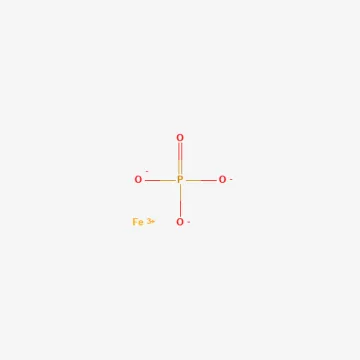
Iron phosphate
Description
Mode of action
Iron phosphate belongs to the inorganic chemical class and is used exclusively as a molluscicide. Unlike traditional metaldehyde baits, this compound acts selectively on the gastrointestinal tract of gastropod mollusks.
When pellets are ingested by a slug or snail, the active ingredient triggers irreversible changes in the intestinal epithelial cells. Consequently, the pest stops feeding almost immediately after consuming the bait.
An important aspect is the physiological reaction of the pest: after contact with the product, slugs retreat into the soil or sheltered areas where they eventually die. This eliminates the need for agronomists to collect dead individuals from the field surface.
Iron phosphate is considered an environmentally safe compound. In the soil, it gradually degrades into phosphate ions and iron ions, which are natural components of plant nutrition, leaving no toxic residues.
The product is characterized by a lack of phytotoxicity, allowing it to be used during active vegetation periods without the risk of damaging fruits, leaves, or stems of crops.
What it targets
Products based on this substance are used to protect a wide range of agricultural, ornamental, and fruit/vegetable crops.
The primary targets are various species of terrestrial gastropods, most commonly including:
- Grey field slug (Deroceras reticulatum)
- Reticulated slug
- Garden snail and other terrestrial snail species
Protection is required in high-humidity conditions when pest populations reach the economic damage threshold, causing severe defoliation, fruit damage, and root crop losses.
Rates and timing
Application is usually performed by broadcasting pellets on the soil surface between rows or around the protected plants. Uniform distribution is crucial to minimize untreated gaps.
Optimal application timing occurs in the evening or after irrigation/rain, when slug activity is at its peak. The product must be accessible for consumption, so it should not be incorporated deep into the soil.
The average application rate ranges from 5 to 7 kilograms per hectare depending on the infestation level and pest population density. If necessary, treatments are repeated after 14–20 days.
When choosing the dosage, one should follow the manufacturer's recommendations for the specific formulation, as the active content may vary slightly between brands.
Subsequent treatments are advisable if weather conditions remain favorable for pest reproduction, ensuring reliable protection up to harvest time.
Restrictions
Although iron phosphate is safe for most beneficial organisms, direct contact with water bodies or aquaculture systems should be avoided.
Safety precautions must be observed during handling: avoid ingestion and contact with eyes, despite its low toxicity to mammals.
The product must be stored in a dry place, away from children and pets, as the pellets may be accidentally ingested by them due to the attractive nature of the bait base.
The efficacy of the product may temporarily decrease during extreme rainfall events that cause rapid washing or degradation of pellets, requiring monitoring of bait status in the field.
When used in organic farming, it is necessary to ensure that the specific commercial product carries the appropriate certification and is permitted for use under organic production standards.
Status in the European Union
Approved in the EU
- Approved from
- 05.12.2017
EU status is for reference only and does not replace national registration in your country.