
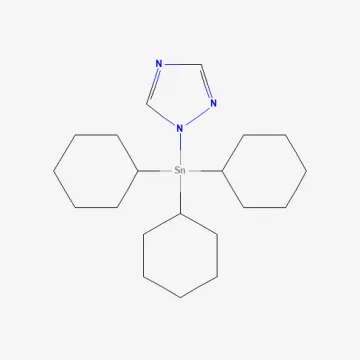
Azocyclotin
Description
Mode of action
Azocyclotin belongs to the chemical class of organotin compounds. It is a highly specialized acaricide with contact and stomach action, primarily used for controlling phytophagous populations in both protected and open field conditions.
The mechanism of action is based on the inhibition of oxidative phosphorylation within the mitochondria of pests. This disrupts the cellular energy metabolism, leading to paralysis and the subsequent death of the organism.
The substance is characterized by a pronounced "knock-down" effect, which becomes apparent within just a few hours after the mite makes contact with the treated plant surface.
A key feature of azocyclotin is its effectiveness against all motile developmental stages of mites, including larvae, nymphs, and adults. However, it shows low ovicidal activity, a fact that should be considered when scheduling subsequent treatments.
The residual protective effect lasts between 10 to 14 days, depending on weather conditions and the intensity of the pest population, making it a reliable tool in integrated pest management systems.
What it targets
Azocyclotin is used to control a wide spectrum of plant-feeding mites from the Tetranychidae family (spider mites). These are major pests affecting vegetable, fruit, and ornamental crops.
The preparation is effective against the common spider mite, the European red mite, and several other species that often develop resistance to other pesticide groups.
The primary crops for application include apples, pears, grapevines, and various vegetable crops grown in greenhouses, such as cucumbers, tomatoes, and peppers.
When used on ornamental plants, azocyclotin allows for the rapid reduction of mite populations that damage leaf quality and retard plant growth.
The efficiency of the product is maintained even in hot and dry climates, making it particularly valuable in regions with a high risk of massive mite outbreaks during the summer season.
Restrictions
The substance is classified as highly toxic to warm-blooded animals; therefore, handling it requires strict adherence to personal protective equipment requirements. The use of respirators, safety goggles, and protective clothing is mandatory.
Azocyclotin is dangerous to bees and beneficial entomophages, so it must not be applied during the flowering period of crops or in areas with active pollinator activity.
Frequent use of the same product from this group is not recommended to prevent the development of resistant mite populations. It is advised to rotate with acaricides belonging to different chemical classes.
Strict pre-harvest intervals must be observed to ensure the safety of the final agricultural produce and compliance with regulatory standards.
Disposal of packaging and product residues must be carried out in accordance with local chemical waste regulations to prevent environmental contamination, particularly in water bodies.
Status in the European Union
Not approved in the EU
- CAS number
- 41083-11-8
- ADI
- 0.003 mg/kg bw/day
- ARfD
- 0.02 mg/kg bw
EU status is for reference only and does not replace national registration in your country.