
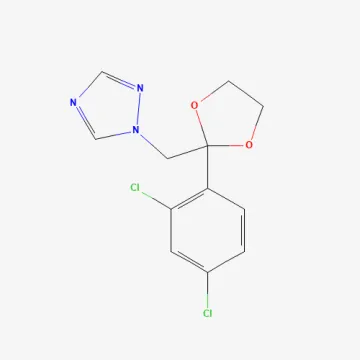
Azaconazole
Description
Mode of action
Azaconazole is a systemic fungicide belonging to the triazole chemical class, widely recognized for its strong preventive and curative properties. It is designed to be absorbed efficiently by plant tissues.
The primary mode of action is the inhibition of ergosterol biosynthesis, an essential component of fungal cell membranes. By disrupting this process, the substance effectively kills fungal pathogens.
It acts by suppressing the 14-alpha-demethylase enzyme. This enzymatic interference halts the development of mycelium, making it an effective choice for treating early-stage infections in various crops.
The substance exhibits acropetal translocation within the plant, which allows it to protect newly emerging leaves and stems. This systemic movement ensures comprehensive coverage after the application.
Due to its chemical stability, azaconazole provides long-lasting protection against fungal invasions, remaining active within the plant tissues even under fluctuating environmental conditions.
What it targets
Azaconazole is primarily utilized to combat a diverse range of fungal diseases, specifically those causing leaf spots and rusts. It shows excellent efficacy against various powdery mildew strains.
In cereal crop production, it is effective against septoria and pyrenophora leaf blotch. It helps suppress the spread of spores during periods of active growth, safeguarding the plant's yield potential.
Beyond field crops, it is applied in timber protection and ornamental plant management to prevent scab and various fungal infections that can damage plant aesthetic and structural integrity.
- Powdery mildews
- Rust diseases (Puccinia species)
- Septoria leaf spot
- Scab on various crops
Effective management of these targets helps maintain healthy photosynthetic surfaces, which is critical for maximizing crop yields and ensuring the high quality of the harvested produce.
Rates and timing
Application rates for azaconazole vary depending on the target crop, the current disease pressure, and the developmental stage of the plant. Proper calibration of spraying equipment is essential.
Optimal results are generally achieved when the product is applied within a temperature range of 12 to 25 degrees Celsius, during periods of calm weather to prevent spray drift.
It is recommended to limit applications to a maximum of two per growing season to manage resistance risks effectively. Monitoring disease development is key to timely and efficient application.
Working solutions should be prepared immediately before spraying. Uniform distribution of the fungicide on the crop foliage is necessary to achieve the desired protective and curative effects.
Compliance with the recommended dosage helps maintain crop health while preventing any potential negative impact on plant physiology, provided the product is used within established guidelines.
Restrictions
Application should be avoided on crops under physiological stress, such as extreme heat, drought, or frost, as this may decrease the plant's tolerance and overall treatment efficacy.
Operators must wear appropriate personal protective equipment, including gloves, respirators, and eye protection, to prevent accidental exposure during the handling and spraying process.
Phytotoxicity can occur if the application rate is significantly exceeded. Always follow the manufacturer's specific guidelines to ensure safety for the crop being treated.
Integrating azaconazole into a resistance management program by rotating it with fungicides having different modes of action is highly recommended for long-term agricultural success.
Environmentally safe disposal of empty containers and wash-off water is mandatory. Contamination of local water bodies must be prevented to avoid negative environmental consequences.
Status in the European Union
Not approved in the EU
- CAS number
- 60207-31-0
EU status is for reference only and does not replace national registration in your country.