
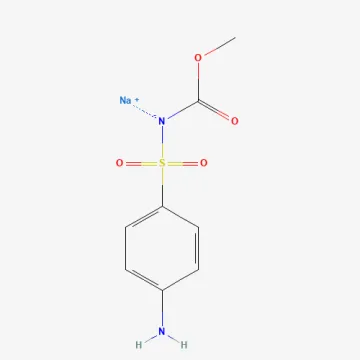
Asulam sodium
Description
Mode of action
Asulam-sodium is a selective systemic herbicide belonging to the carbamate chemical class. Its primary mode of action is the inhibition of cell division within the meristematic tissues of target weeds.
The substance is absorbed through the leaves and stems, and then translocated via the phloem to the growth points, resulting in the cessation of weed development shortly after application.
Asulam-sodium acts by blocking the biosynthesis of dihydropteroate synthase, which prevents the production of folic acid, an essential component for weed survival and growth.
The effectiveness of this herbicide is most pronounced when the weeds are in an active growth stage, as the systemic process relies on the active movement of photoassimilates.
Crop selectivity is achieved through the plant's metabolic capacity to detoxify the active ingredient into inactive compounds before it impacts the vital cellular processes.
What it targets
This herbicide is primarily used for the control of perennial and annual grass weeds, including couch grass, wild oats, and Johnson grass.
It is specifically known for its effectiveness against dock species, making it a critical tool in managing pastures and specific technical crops.
Asulam-sodium effectively reaches deep into the root systems of perennial weeds, providing long-term suppression of vegetative propagation.
The herbicide also provides control over certain broad-leaved weeds, enhancing its utility in integrated weed management programs for various agricultural settings.
It is widely employed in industrial floriculture and grassland management where specific grass weeds threaten the productivity and quality of the yield.
Rates and timing
Application rates of asulam-sodium are dictated by the target weed spectrum, the growth stage of the weeds, and the tolerance level of the host crop.
Optimal timing requires application during the rapid growth phase of the weeds, ensuring maximum absorption and systemic transport to the plant's interior.
To combat established perennial grass infestations, higher label dosages are often necessary to ensure the chemical reaches all parts of the plant's root structure.
Applications should be avoided during periods of plant stress, such as extreme heat or drought, as these conditions significantly reduce the absorption and efficacy of the active ingredient.
Consulting local agricultural guidelines regarding application intervals and pre-harvest intervals is essential to ensure food safety and regulatory compliance.
Restrictions
Proper protective equipment, including respirators, chemical-resistant gloves, and protective clothing, must be worn when handling asulam-sodium concentrates.
Preventative measures against spray drift are critical; avoid spraying near water bodies, sensitive crops, or habitats that may be affected by off-target deposition.
Storage should be confined to cool, dry, and secure areas, keeping the product away from food, animal feed, and unauthorized access by people or pets.
Preparation of the spray solution should involve clean water with the correct pH levels to maintain the stability and solubility of the herbicide during application.
- Regular maintenance and calibration of application machinery.
- Monitoring wind speed to prevent potential drift.
- Responsible disposal of product packaging according to environmental safety standards.
Status in the European Union
Not approved in the EU
- CAS number
- 2302-17-2
EU status is for reference only and does not replace national registration in your country.