
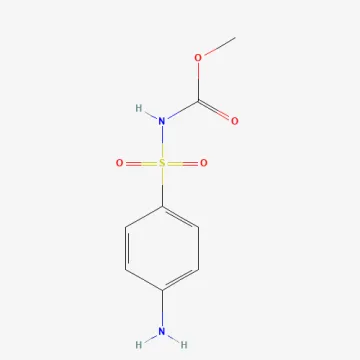
Asulam
Description
Mode of action
Asulam belongs to the carbamate chemical class and acts as a systemic herbicide. It is primarily absorbed through the leaves and translocated throughout the plant via the phloem and xylem.
The mode of action involves the inhibition of cell division in the meristems of roots and shoots by blocking the biosynthesis of folic acid, an essential component for plant growth.
Following application, weed growth ceases almost immediately. Visible symptoms such as chlorosis in younger leaves develop gradually, eventually leading to the necrosis of plant tissues.
Asulam exhibits high selectivity, meaning it targets specific enzyme systems in weeds while allowing the crop to safely metabolize and deactivate the active ingredient.
Environmental conditions play a crucial role in its efficacy. For best results, it should be applied when weeds are actively growing under conditions of adequate soil moisture.
What it targets
Asulam is specifically designed to control a broad range of annual and perennial grass weeds, including troublesome species such as couch grass and Johnson grass.
The herbicide is also effective against various broad-leaved weed species, providing a comprehensive solution for crop protection in specific agricultural settings.
It is widely utilized in the cultivation of sugar beets, flax, and certain types of grassland, where selective weed control is essential for maximizing yields.
By suppressing weed competition during the early growth stages, asulam helps to establish a strong crop canopy and prevent nutrient deficiencies caused by invasive grasses.
It is particularly effective against weeds that have developed resistance to other common herbicide classes, making it a valuable tool for integrated weed management.
Rates and timing
Application rates for asulam depend on the specific weed spectrum, the density of the infestation, and the growth stage of the targeted crop at the time of spraying.
The optimal timing for treatment is during the early vegetative stage, typically when weeds are in the 2 to 4 leaf stage, which ensures maximum uptake and herbicidal efficacy.
Temperature is a key factor; applications are most successful at temperatures above 10°C, as cooler conditions can significantly delay the systemic action of the herbicide.
Proper calibration of spraying equipment is vital to ensure an even distribution of the herbicide across the leaf surface, which optimizes the systemic absorption process.
Always adhere to the specific instructions provided on the product label, as rates and timing may vary significantly depending on the manufacturer's formulation.
Restrictions
Operators must wear appropriate personal protective equipment (PPE) during handling and application, including gloves, goggles, and respiratory protection, to minimize exposure.
Avoid applying asulam during windy conditions to prevent spray drift to non-target areas or sensitive crops, and never spray if rain is expected within the next few hours.
Follow strict guidelines regarding crop rotation, as residues may persist in the soil and affect the germination or development of subsequent susceptible crops.
Dispose of all unused spray mixtures and empty containers according to local environmental regulations to protect aquatic life and groundwater resources from contamination.
Conduct a small-scale trial on sensitive crop varieties before large-scale application to ensure compatibility and prevent potential phytotoxicity issues.
Status in the European Union
Not approved in the EU
- CAS number
- 3337-71-1
- ADI
- 0.36 mg/kg bw/day
- ARfD
- 1.0 mg/kg bw
- AOEL
- 0.46 mg/kg bw/day
EU status is for reference only and does not replace national registration in your country.