
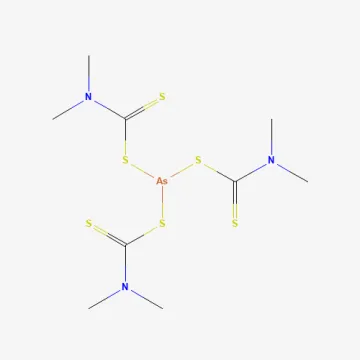
Asomate
Description
Mode of action
Azomates are a group of nitrogen-based herbicides that exert a systemic effect on plant metabolic processes. Their primary mode of action involves the inhibition of enzymes critical for amino acid synthesis, which leads to the cessation of cell division in target weed species.
These substances are absorbed by leaves and roots, moving systemically throughout the plant. By accumulating in the meristematic tissues, azomates effectively block the growth of weeds shortly after application, ensuring rapid herbicidal impact.
The action of azomates is characterized by a disruption of hormonal balance, resulting in chlorosis and eventual necrosis of the weed plant. Unlike contact herbicides, the systemic nature of this group allows for the destruction of the entire root system in perennial weeds.
Biological efficacy is closely tied to the physiological activity of the weeds. Optimum results are achieved when weeds are actively growing, as this ensures the efficient uptake and translocation of the herbicide within the vascular system.
Selectivity is a key feature of azomates, allowing them to differentiate between crop species and target weeds. Resistant crop varieties possess internal enzymatic mechanisms that rapidly detoxify the herbicide before it interferes with vital plant processes.
What it targets
Azomates are widely used to control a broad spectrum of broadleaf and grass weeds in crops such as cereals, maize, and industrial varieties. They are particularly effective when applied at the early stages of weed development, specifically at the two- to four-leaf stage.
This group of substances is vital for managing persistent perennial weeds, including thistle and field bindweed. Their ability to reach subterranean nodes prevents regrowth, providing long-lasting control compared to non-systemic alternatives.
By eliminating weed competition, azomates help crops access essential nutrients, water, and sunlight, which is critical for maximizing yields and maintaining grain quality during the vegetative phase.
Azomates are frequently used in tank mixtures to broaden the control spectrum. Combining them with other herbicides allows for the management of complex weed populations that might show partial resistance to a single active ingredient.
Integrating azomates into modern crop management systems ensures a clean field environment, reducing the pressure on the crop and creating optimal conditions for development from germination to harvest.
Rates and timing
Application rates for azomates are determined by the specific weed spectrum, growth stage, and prevailing weather conditions. It is essential to strictly follow manufacturer guidelines for each crop to avoid potential phytotoxicity.
The timing of application is often linked to the growth stages of the crop. For cereals, application during the tillering phase is often recommended, as this coincides with the vulnerability of the weeds while the crop is robust enough to tolerate the treatment.
Environmental factors, such as humidity and temperature, play a significant role in herbicide efficacy. High humidity facilitates better cuticle penetration, whereas extreme heat may require the use of adjuvants to prevent rapid drying of the spray droplets.
Water quality management, specifically pH control, is a necessary step for optimal results. Properly conditioned water ensures the stability of the active ingredient, preventing degradation before it can reach the target weed surface.
Uniform coverage is vital for efficiency. Application should be performed under calm wind conditions to minimize drift and ensure that the spray reaches all areas of the field consistently.
Restrictions
Strict safety limits apply to the use of azomates near water bodies, as runoff can be harmful to aquatic ecosystems. Drift prevention is also critical to protect neighboring crops that may be highly sensitive to the herbicide's action.
Application is strictly prohibited during periods of crop stress, such as drought, extreme temperature fluctuations, or pest damage. Treating stressed crops can impair their ability to detoxify the herbicide, leading to unintended injury.
Crop rotation must be planned with consideration for the soil persistence of azomates. Depending on soil type and microbial activity, residual levels may affect subsequent sensitive crops, making proper planning and field testing necessary.
Operators must adhere to safety protocols, including the use of appropriate personal protective equipment (PPE) such as gloves, respirators, and protective suits, to prevent direct contact or inhalation of the substances.
Decontamination of spraying equipment is a mandatory final step. Using specialized cleaning agents to remove residual traces from the tank and hoses prevents cross-contamination in future applications, ensuring both equipment longevity and crop safety.
Status in the European Union
Not approved in the EU
- CAS number
- 3586-60-5
EU status is for reference only and does not replace national registration in your country.