
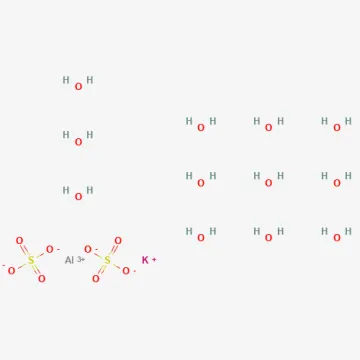
Aluminium potassium sulphate dodecahydrate
Description
Mode of action
Alum (potassium aluminum sulfate) is a mineral salt with strong astringent and antiseptic properties widely used in agriculture as a contact treatment.
The mechanism of action involves the coagulation of proteins on the surface of fungi and bacteria, which effectively inhibits their growth and metabolic processes.
When applied to plant surfaces, it creates a protective barrier that prevents fungal spores from germinating and limits the spread of pathogens.
It acts exclusively as a contact agent, meaning it does not penetrate the plant tissues, which reduces the risk of chemical residues in harvests.
The substance also modifies the surface pH of treated plant parts, creating a hostile environment for various phytopathogenic microorganisms.
What it targets
It is used as a preventative measure against mildews, various types of rots, and septoria on agricultural crops during early development stages.
Alum is utilized for disinfecting seeds, bulbs, and cuttings before planting to prevent damping-off and soil-borne diseases.
It effectively treats mechanical damage, pruning cuts, and wounds on fruit trees, acting as a barrier against secondary bacterial and fungal infections.
In greenhouse operations, it is frequently used for sanitizing tools, surfaces, and structures to ensure a pathogen-free growing environment.
It serves as an auxiliary agent to control epiphytic microflora that can colonize the leaves and stems, potentially weakening the plant immune system.
Rates and timing
Working solutions typically range from 0.5% to 2% depending on the specific crop sensitivity and the target disease pressure.
Seed treatment involves short-term soaking in the solution followed by thorough air-drying before the planting process begins.
Spraying should be performed during cool periods of the day to prevent leaf burns caused by the combination of the treatment and intense sunlight.
For tree wound dressing, higher concentrations applied as a paste or thick mixture are required for effective coverage and protection of exposed tissues.
Repeated applications may be necessary at 7–10 day intervals in high-humidity conditions where fungal proliferation risk is significantly elevated.
Restrictions
The lack of systemic action requires extremely thorough application to ensure that all surfaces of the plant are adequately covered.
Alum is incompatible with many alkaline-based pesticides, which can result in precipitation and loss of effectiveness of the active ingredients.
Consistent, large-scale application may impact soil pH; therefore, regular soil monitoring is advised for long-term greenhouse operations.
Appropriate personal protective equipment should be used during preparation to avoid skin irritation and respiratory discomfort from dust.
Store the substance in a cool, dry environment, as its hygroscopic nature causes clumping and degradation when exposed to moisture.
Status in the European Union
Pending
- CAS number
- 7784-24-9
EU status is for reference only and does not replace national registration in your country.