
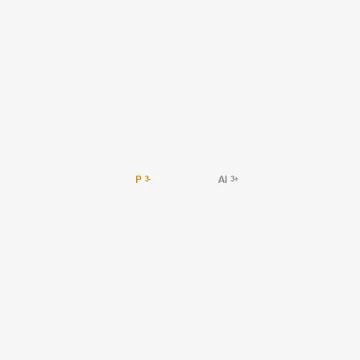
Aluminium phosphide
Description
Mode of action
Aluminium phosphide belongs to the class of inorganic fumigants. When it reacts with atmospheric moisture and oxygen, a chemical reaction occurs, releasing highly toxic phosphine gas.
Phosphine acts as a potent cellular poison that enters the respiratory systems of pests. It inhibits mitochondrial respiration by blocking the enzyme cytochrome oxidase, leading to paralysis and the death of insects.
A key advantage of this active ingredient is its high penetrating power. The gas easily moves through dense packaging, bulk grain layers, and deep into the structures of storage facilities.
Once the exposure period ends and proper aeration is performed, phosphine dissipates completely. The active substance does not accumulate in grain residues, allowing it to be used safely for protecting agricultural commodities.
This agent is highly effective against all stages of insect development, including eggs, larvae, pupae, and adults, which is critical for preventing re-infestation.
What it targets
Aluminium phosphide is used exclusively for controlling stored product pests in grain elevators and warehouse facilities.
It is effective against a wide range of stored product insects, including:
- Grain and rice weevils
- Grain beetles and flour beetles
- Grain moths and meal moths
- Mites and other pests of stored cereals
The product does not affect fungal pathogens or weed seeds, as its biological activity is targeted specifically at entomofauna.
The use of this fumigant is justified for storing cereals, legumes, oilseeds, as well as flour, semolina, and processed food products in hermetically sealed containers.
The particular importance of this fumigant lies in its ability to stop infestation centers in the early stages, preventing the spoilage of large grain batches during long-term storage.
Rates and timing
Application rates depend on the type of facility and the level of grain infestation. Typically, they range from 3 to 9 grams of phosphine per ton of product or per cubic meter of volume.
Exposure times are temperature-dependent: at lower temperatures, the gas release rate decreases, requiring longer exposure periods lasting up to several days.
Fumigation with aluminium phosphide is not recommended at temperatures below +10°C, as the release of phosphine from the tablets slows down, significantly reducing the treatment's efficacy.
The product is applied manually using special dispensers or automatically injected into the grain stream during silo loading to ensure even distribution.
After the exposure period, mandatory degassing of the facility is required, the duration of which depends on ventilation conditions and must be at least 2-5 days.
Restrictions
Operations involving aluminium phosphide must be conducted exclusively by specialized professional teams authorized for fumigation and equipped with proper respiratory protection.
Treatment near residential areas, schools, or public spaces is strictly prohibited due to the high toxicity of the gas released.
The facility must be perfectly sealed. Any gas leakage reduces the concentration of the active ingredient, preventing it from achieving the necessary lethal effect against pests.
Strict fire safety protocols must be followed. Phosphine is a spontaneously flammable gas at certain concentrations, making it crucial to prevent gas accumulation in enclosed spaces.
Post-degassing, laboratory monitoring of phosphine levels in the air is required. The product is cleared for use only after official verification that no toxic residues remain.
Status in the European Union
Approved in the EU
- CAS number
- 20859-73-8
- Approved from
- 01.09.2009
- Approval until
- 30.11.2026
- ADI
- 0.019 mg/kg bw/day
- ARfD
- 0.032 mg/kg bw
- AOEL
- 0.019 mg/kg bw/day
EU status is for reference only and does not replace national registration in your country.