
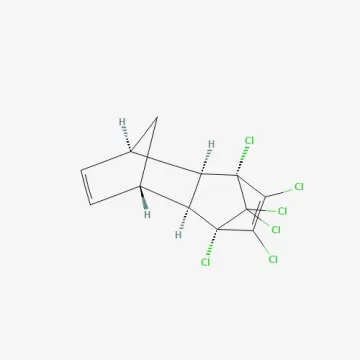
Aldrin
Description
Mode of action
Aldrin is a chlorinated cyclodiene insecticide that was once widely used for crop protection. In the environment, it rapidly oxidizes into dieldrin, a substance that shares similar toxicological properties and environmental persistence.
The mode of action involves neurotoxicity, where aldrin disrupts the nervous system of insects by interfering with the gamma-aminobutyric acid (GABA) receptor-chloride channel complex.
This disruption causes uncontrolled neuronal firing, leading to hyperexcitability, tremors, convulsions, and eventual death due to paralysis of the respiratory system.
Due to its lipophilic nature, aldrin is easily absorbed by insects through both direct contact with the cuticle and ingestion of treated plant material or soil particles.
Its high chemical stability ensures that the substance remains active for long periods, providing long-lasting control of pests, although this longevity is now viewed as an ecological hazard.
What it targets
Historically, aldrin was a staple in agriculture for controlling a broad range of soil-dwelling pests that were difficult to reach with other types of insecticides.
The primary targets included wireworms, white grubs, rootworms, and cutworms, which are known to cause significant damage to the roots of staple crops like maize and wheat.
It was also extensively used for the control of termites in both agricultural and structural contexts, protecting buildings and timber from degradation.
Additionally, aldrin was applied to control various species of root flies, including the cabbage root fly and the onion fly, in vegetable production systems.
Its effectiveness against various soil pests made it highly valued in the mid-20th century, before its ecological and health impacts were fully understood.
Restrictions
Aldrin is strictly prohibited under the Stockholm Convention on Persistent Organic Pollutants (POPs) due to its extreme environmental persistence and tendency to bioaccumulate.
The substance travels long distances through atmospheric transport, leading to the global distribution of residues even in remote regions where it was never applied.
Ecological risks include severe toxicity to non-target organisms, particularly avian species and aquatic invertebrates, which can suffer secondary poisoning from the food chain.
Human health concerns are paramount, as residues can enter the human diet through soil contamination, leading to long-term exposure and potential carcinogenic effects.
Global regulations mandate the total elimination of aldrin stocks and the remediation of contaminated sites to prevent further leaching into the environment and groundwater.
Status in the European Union
Not approved in the EU
- CAS number
- 309-00-2
EU status is for reference only and does not replace national registration in your country.