
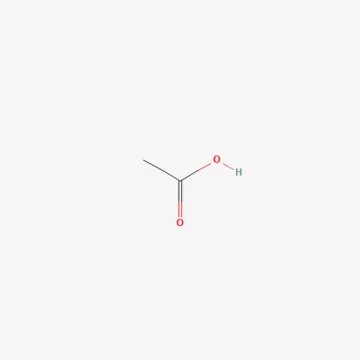
Acetic acid
Description
Mode of action
Acetic acid (CH₃COOH) belongs to a group of organic acids that are classified in agriculture as non-selective contact herbicides and antiseptic agents. When it comes into contact with vegetative plant organs, the substance causes rapid dehydration of tissues by disrupting cell membrane integrity.
The mechanism of action is based on a strong contact effect. The acid penetrates the leaf cuticle, causing destruction of chloroplasts and termination of photosynthetic processes in plant cells, leading to their rapid death.
As a fungicidal agent, acetic acid alters the pH level on the surface of the treated area, creating an unfavorable environment for the development of fungal mycelia and spores. This limits their ability to germinate and colonize the tissues of the crop plant.
The substance is characterized by a lack of systemic action, meaning it does not move through the vascular system of the plant. The effect is limited only to those parts that the working solution contacts, which requires thorough and uniform wetting of the treated surface.
Due to high volatility and rapid biodegradation in the soil into carbon dioxide and water, acetic acid has practically no residual soil activity. This allows it to be considered as an environmentally low-risk component when application protocols are followed.
What it targets
Preparations based on acetic acid are primarily used to destroy annual broadleaf and grass weeds at early stages of their development. The best effect is achieved when controlling young seedlings that have not yet formed a dense waxy cuticle.
In horticulture and vegetable growing, the substance is used to suppress surface infection pathogens, including various types of molds. It effectively cleans surfaces and tools from organic contamination, which serves as a nutrient medium for phytopathogens.
In fields prepared for planting, the acid helps control weeds in pathways and aisles where the preservation of cultural plants is not required. It is important to avoid drift of the working solution spray onto beneficial crops.
Acetic acid is also used for the disinfection of containers, seeds, and greenhouses, preventing the development of a wide range of bacterial and fungal diseases in protected ground environments.
It should be noted that perennial weeds with powerful root systems have a high ability to regenerate, so the contact effect of acetic acid on the above-ground part does not ensure their complete destruction, merely temporarily suppressing growth.
Rates and timing
Application rates of the working solution depend on the concentration of the acid in the product, which varies from 5% to 20% depending on the purpose of treatment. Using higher concentrations significantly increases phytotoxicity for all green plant parts.
The timing of operations falls within periods of active weed growth, preferably in sunny weather. Ultraviolet light and high temperatures significantly enhance the destructive effect of acetic acid on plant tissues, accelerating desiccation.
Application should be performed using high-quality spraying equipment that provides a fine mist. This is necessary for maximum leaf surface coverage, as the non-systemic nature of the product makes large drops that roll off the leaves ineffective.
Repeat treatments may be required after 7-10 days if regrowth of weeds from dormant buds is observed or in the presence of seeds that germinate unevenly.
To prevent burns to cultural plants when working in orchards or gardens, it is strongly recommended to use protective shields or hoods on sprayer nozzles to exclude the risk of non-target spray drift caused by wind.
Restrictions
The main limitation is the total non-selectivity of the substance. Acetic acid destroys any green tissues it comes into contact with, including leaves, stems, and fruits of cultural crops; therefore, it cannot be used for foliar spraying on growing crops.
The product is extremely unstable if precipitation occurs shortly after treatment. Rain washes away the active substance, which requires re-application and increases the economic costs of protective measures.
When working with concentrated acid solutions, it is necessary to strictly follow personal protective measures: use safety goggles, gloves, and respirators. Acid vapors can cause irritation to the mucous membranes of the respiratory tract and eyes.
Soil may be subject to a short-term change in acidity levels with repeated application of high doses. Although this effect is quickly neutralized by natural soil buffering systems, caution should be exercised on specific types of soil.
Storage of the product should be in a tightly closed container away from metal structures, as acetic acid exhibits corrosive properties and can damage sprayer parts made of metals and polymers sensitive to acids.
Status in the European Union
Approved in the EU
- CAS number
- 64-19-7
- Approved from
- 01.09.2009
- Approval until
- 30.11.2026
- ADI
- Not appl.
- ARfD
- Not appl.
EU status is for reference only and does not replace national registration in your country.