
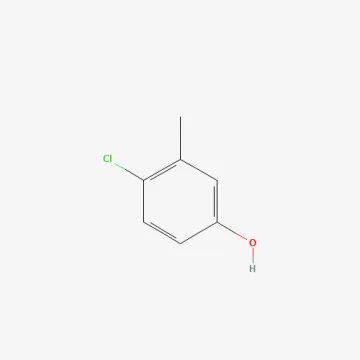
4-Chloro-3-methylphenol
Description
Mode of action
4-chloro-3-methylphenol, also known as para-chloro-meta-cresol (PCMC), is a powerful antiseptic and fungicidal compound belonging to the chlorinated phenol class.
Its mechanism of action is based on the destruction of microbial cell membranes, leading to the irreversible leakage of intracellular components.
The substance effectively denatures proteins in pathogenic organisms, disrupting their metabolic processes and their ability to reproduce further.
Due to its high reactivity, the compound quickly penetrates the structure of fungal spores and bacterial cell walls, ensuring a broad spectrum of antimicrobial effect.
In agricultural practices, it is used to suppress the activity of pathogenic microflora, helping to maintain sanitary safety in storage facilities and during equipment processing.
What it targets
The substance actively inhibits the growth of a wide range of phytopathogenic fungi, molds, and various bacterial infections.
It is used to protect seeds and finished agricultural products from spoilage during long-term storage in warehouses.
It effectively affects molds of the genera Aspergillus, Penicillium, and Rhizopus, which often cause rot in vegetable and cereal crops.
The compound is utilized for the disinfection of surfaces, equipment, and facilities where crop processing and sorting take place.
- Aspergillus fungi
- Gram-positive bacteria
- Penicillium molds
- Yeast-like microorganisms
Rates and timing
Application rates and working solution concentrations strictly depend on the type of surface being treated and the specific goals of the preparation use.
For the disinfection of storage rooms, solutions with a concentration of 0.5 to 2 percent are typically used, depending on the severity of the bacterial load.
The treatment of packaging and agricultural tools requires short-term immersion or thorough spraying followed by a necessary exposure time to achieve maximum efficiency.
When preserving agricultural products, dosages are calculated based on preventing the risk of mycotoxin development during the initial stages of storage.
It is vital to strictly adhere to manufacturer guidelines, as excessive concentration can lead to phytotoxicity upon direct contact with crops.
Restrictions
When working with 4-chloro-3-methylphenol, strict safety regulations must be followed, including the use of personal protective equipment for skin and respiratory protection.
The substance is an irritant, and direct contact with skin and mucous membranes must be completely avoided at all times.
It is strictly prohibited to discharge residual working solutions into open water bodies or soil due to high toxicity to aquatic life.
Prolonged use in enclosed areas requires mandatory ventilation to ensure that vapor concentrations do not exceed allowable exposure levels.
The product should be stored in its sealed original packaging, away from food, animal feed, and areas accessible to children.
Status in the European Union
Not approved in the EU
- CAS number
- 59-50-7
EU status is for reference only and does not replace national registration in your country.