
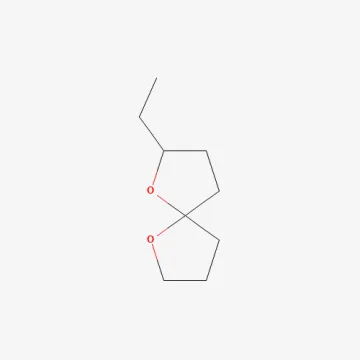
Chalcogran
Description
Mode of action
Chalcogran is a specialized group of plant protection products based on copper compounds. These substances belong to the class of inorganic contact fungicides that create a protective barrier on the surface of plant tissues.
The mode of action involves disrupting the metabolic processes of pathogens. Copper ions penetrate fungal and bacterial cells, denaturing proteins and inhibiting essential enzymes, which leads to the rapid death of spores and mycelium.
The preparations in this group provide a prophylactic effect, preventing infection from penetrating plant tissues. They form a durable film that resists being washed away by precipitation after drying, ensuring a prolonged protection period.
A significant feature of this action is the lack of pathogen resistance when used correctly. The multi-targeted effect on enzymatic systems makes it impossible for fungal pathogens to adapt to the group's components.
These products are effective when used in tank mixtures, enhancing overall protective efficacy. They allow for the control of a wide spectrum of diseases across various stages of crop vegetation.
What it targets
The primary purpose of the group is to combat a wide list of fungal and bacterial diseases. The products actively suppress the development of late blight, downy mildew, scab, and various leaf spot diseases.
The application of these agents is effective against powdery mildew on stone and pome fruit trees. They also show high results in combating alternaria and bacterial burns affecting vegetable crops.
The products of this group are essential for protecting vineyards against a complex of rots that occur in high-humidity conditions. High bactericidal activity allows them to be used for disinfection and disease prevention.
The preparations are used as antiseptics for treating mechanical damage to tree bark. They prevent infection of wounds by pathogens and facilitate faster tissue healing in pruned areas.
When used in technical crop fields, these products help prevent mass infestation of the foliage. This is critical for maintaining the photosynthetic activity of plants during the yield formation period.
Rates and timing
Application rates depend on the crop type, disease severity, and weather conditions. Generally, the spray solution volume ranges from 300 to 1000 liters per hectare, depending on the plant biomass.
Preparing the working solution requires thorough mixing of the product with water until the suspension is fully homogenized. It is necessary to monitor the water pH level, as excessive acidity can reduce the efficacy of the active ingredients.
Treatments are recommended to be carried out in the early morning or evening when wind speed is low. It is important to ensure uniform coverage of the entire leaf surface, including the underside.
The frequency of treatments varies from 2 to 4 times per season, depending on the disease development forecast and phytosanitary conditions. The interval between sprayings should be at least 10–14 days.
It is recommended to start preventive measures before the first symptoms of diseases appear. This creates a reliable barrier and significantly lowers the infection pressure in the field or orchard.
Restrictions
When working with these products, it is essential to strictly follow safety regulations, using personal protective equipment for skin, respiratory organs, and eyes. These substances are moderately hazardous to humans and the environment.
Treatments during active blooming are not recommended to avoid negative impacts on pollinators. Also, avoid allowing the product to enter water bodies and sources of drinking water.
A limitation is the high sensitivity of certain plant species to excess copper, which can cause phytotoxicity. It is recommended to perform a test application on a small area before large-scale use.
The re-entry interval for mechanized work is at least 3 days, and for manual labor, it is about 7 days. This parameter may vary depending on the climatic zone.
Storage should be in closed warehouse facilities at temperatures between 0 and +30 degrees Celsius. Keep products away from direct sunlight, food items, and animal feed.
Status in the European Union
Not approved in the EU
- CAS number
- 38401-84-2
EU status is for reference only and does not replace national registration in your country.