
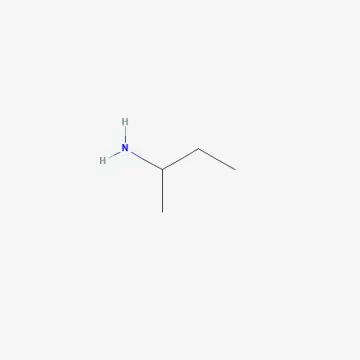
2-aminobutane
Description
Mode of action
2-aminobutane, also known as sec-butylamine, is an aliphatic amine utilized as a specialized fungicide primarily for post-harvest protection of agricultural commodities.
The mode of action involves disrupting the metabolic pathways of pathogenic fungi, specifically inhibiting essential enzymes and energy production processes within the fungal cells.
It acts as a potent contact and systemic agent, forming a protective film on the surface of harvested produce that prevents spores from germinating and infecting healthy tissues through microscopic injuries.
By creating this barrier, the substance effectively stops the spread of fungal mycelium, which is essential for preventing the rapid development of rot within storage boxes and warehouses.
Additionally, 2-aminobutane has been shown to assist in maintaining the physiological integrity of harvested fruits, helping to delay senescence and prolong the marketable shelf life of the produce.
What it targets
The primary use of 2-aminobutane is the suppression of fungal infections that typically occur during the storage, transport, and distribution phases of the agricultural supply chain.
It is highly effective against major storage pathogens including Penicillium species, responsible for green and blue mold, and Botrytis cinerea, which causes grey mold in various fruits and vegetables.
The compound is widely used for treating potatoes prior to storage to mitigate losses from dry rot and other fungal diseases that can compromise entire storage bins.
Citrus fruits represent another significant target for application, as 2-aminobutane effectively prevents the contamination of crates from localized infection sites, reducing overall spoilage rates.
By preventing these common post-harvest diseases, the application of 2-aminobutane contributes significantly to the economic stability of commercial fruit and vegetable operations.
Rates and timing
Application methods for 2-aminobutane typically involve controlled dipping, drenching, or specialized spray systems integrated into produce processing and sorting lines.
The concentration of the working solution is strictly determined by the specific commodity type, the pathogen pressure, and the intended duration of the storage period to avoid phytotoxicity.
It is crucial to ensure thorough drying of the treated produce before long-term packaging to prevent moisture accumulation, which can facilitate secondary infections or chemical damage.
Treatment is generally conducted as a single application at the time of entry into storage, providing a prophylactic shield that remains active throughout the storage cycle.
Precision in application rate is essential, as inadequate coverage may lead to infection gaps, while excessive concentration could potentially affect the quality or appearance of the harvested crops.
Restrictions
Handling 2-aminobutane requires rigorous adherence to safety standards, including the mandatory use of personal protective equipment (PPE) to avoid inhalation or dermal contact.
Work areas, particularly those used for fumigation, must be properly ventilated to ensure air quality standards are met before personnel are permitted to re-enter the facility.
Environmental precautions must be taken to prevent chemical runoff from processing equipment; all waste solutions should be treated or disposed of according to local environmental regulations.
The substance should never be mixed with incompatible chemical agents, such as strong oxidizing agents, which may result in degradation or hazardous chemical reactions.
Storage of the concentrated product must be in original containers, away from direct sunlight, extreme heat, or moisture, to preserve the chemical stability and efficacy of the active ingredient.
Status in the European Union
Not approved in the EU
- CAS number
- 13952-84-6
EU status is for reference only and does not replace national registration in your country.