
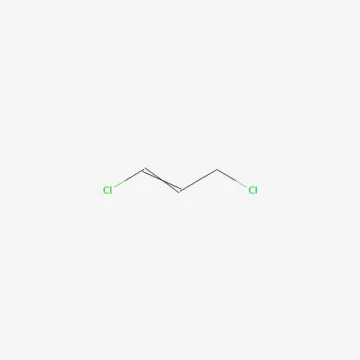
1,3-Dichloropropene
Description
Mode of action
1,3-dichloropropene belongs to the chlorinated hydrocarbon class and acts as a potent soil fumigant. Upon application, it volatilizes into a gas, effectively filling the soil pore space to target pests living in the soil matrix.
The mode of action is characterized by acute toxicity to the nervous systems of various soil organisms. It works by diffusion, allowing the active ingredient to penetrate deep into the soil profile and reach pests that are otherwise protected by soil particles.
Environmental factors such as soil temperature, moisture content, and soil structure significantly influence its efficacy. The substance performs best when the soil is friable and moist enough to facilitate gas diffusion but not saturated, which would block gas movement.
Once the required exposure period is reached, the product degrades via microbial activity and chemical hydrolysis within the soil, effectively reducing the risk of residues in the subsequent crop when following proper application guidelines.
As a broad-spectrum fumigant, it serves as a critical tool for pre-plant soil disinfection, ensuring that the crop starts in a pathogen-free environment.
What it targets
The primary use of 1,3-dichloropropene is for the control of plant-parasitic nematodes, including cyst-forming, root-knot, and lesion nematodes that infest root systems.
Beyond its nematicidal activity, the substance also provides control over several soil-borne insects, including wireworms, symphylans, and certain beetle larvae that damage crop roots.
It is predominantly used in high-value horticulture and row crops, including potatoes, tomatoes, strawberries, and tobacco, where nematode damage can cause complete crop failure.
Orchard and vineyard managers also rely on this fumigant during site preparation to ensure that new plantings are not immediately compromised by established populations of soil pests.
By eliminating these pests, the treatment promotes robust root development and helps plants reach their full genetic yield potential.
Rates and timing
Application rates are determined by soil texture and the degree of pest infestation. Lighter, sandy soils typically require lower dosages, while heavier clay soils may require higher volumes to ensure uniform gas distribution.
The treatment is typically performed 2 to 4 weeks prior to planting to ensure the fumigant has completely dissipated, preventing any phytotoxic impact on the seeds or transplants.
Proper soil preparation is mandatory; the soil must be well-tilled and free of large clods to ensure the gas can move freely through the ground.
The chemical is injected into the soil at depths of 20 to 30 cm using specialized equipment, followed immediately by surface sealing to maintain the required concentration of the gas.
- The soil temperature should be between 5°C and 25°C for optimal efficacy.
- Applying a plastic tarp over the treated soil is often recommended to increase retention and efficacy.
Restrictions
1,3-dichloropropene is highly toxic and requires specialized handling by trained professionals. Strict adherence to personal protective equipment (PPE) protocols, including respiratory protection, is mandatory.
Fumigation must be avoided near residential areas, schools, or public spaces to prevent human exposure to drifting vapors, which can be hazardous even at low concentrations.
The substance poses a significant risk to aquatic life. Therefore, any runoff, drainage, or disposal of application equipment near water bodies, wells, or wetlands is strictly prohibited.
A mandatory aeration period is required before any crop planting. Growers must ensure that no residual vapors remain in the soil, as these can cause severe damage or death to young crops.
All safety regulations regarding buffer zones and re-entry intervals must be meticulously followed to protect both agricultural workers and the surrounding local ecosystem.
Status in the European Union
Pending
- CAS number
- 542-75-6
- ADI
- 0.0125 mg/kg bw/day
- ARfD
- 0.2 mg/kg bw
- AOEL
- 0.1 mg/kg bw/day
EU status is for reference only and does not replace national registration in your country.