
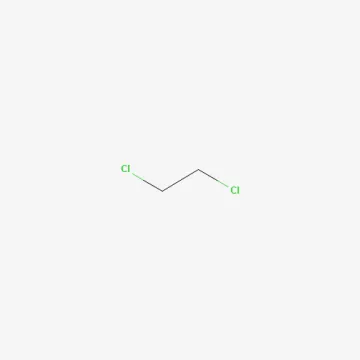
1,2-dichloroethane
Description
Mode of action
1,2-dichloroethane belongs to the chlorinated hydrocarbon class and functions primarily as a highly effective fumigant used in agricultural storage facilities.
Upon release, the substance volatilizes into a gas that can penetrate dense layers of stored grain, reaching insects and mites hidden within the grain mass or storage crevices.
The mechanism of action involves interfering with the respiratory and nervous systems of pests, leading to the inhibition of critical enzymes and subsequent mortality.
Its high vapor pressure allows it to achieve uniform distribution within confined spaces, ensuring that even pests in their larval stages are effectively eliminated during the treatment period.
Due to its chemical nature, 1,2-dichloroethane acts rapidly once the target concentration is achieved, making it a reliable tool for large-scale sanitation of grain stocks.
What it targets
The primary use of 1,2-dichloroethane is the control of storage pests that damage grains, legumes, and other agricultural products held in silos or warehouses.
It is effective against major storage pests such as the granary weevil, flour beetles, and various species of grain moths that compromise the quality of harvested stocks.
The compound also displays significant efficacy against mite populations, which often thrive in improperly dried or poorly ventilated stored grain.
In addition to treating the grain mass itself, the fumigant is used to disinfect empty silos, milling equipment, and warehouse infrastructure to prevent re-infestation.
By preventing pest proliferation, the compound helps maintain the economic value of stored crops and ensures they remain suitable for downstream processing and food supply chains.
Rates and timing
Application rates for 1,2-dichloroethane are typically measured by volume, often ranging from 30 to 50 grams per cubic meter depending on the level of infestation.
The exposure period generally lasts between 24 and 48 hours, requiring the treated area to be sealed tightly to maintain lethal concentration levels throughout the process.
Proper degassing is mandatory following the fumigation exposure; this ventilation phase must continue until residual gas levels are well below safety thresholds.
Temperature plays a crucial role in the effectiveness of the gas; higher ambient temperatures improve the distribution of the fumigant and increase its biological activity.
Professional monitoring with gas detectors is required during the application and aeration phases to ensure both treatment success and personnel safety.
Restrictions
1,2-dichloroethane is considered a hazardous substance with significant toxic potential to humans, necessitating rigorous control measures during use.
Operations must be restricted to professional pest control teams who have received specific training and possess appropriate personal protective equipment, including respirators.
Usage in non-commercial or residential areas is strictly prohibited, and strict fire prevention measures must be enforced due to the volatile nature of the compound.
Before any treated product is released into the food supply, it must be verified that residual levels of the fumigant meet all international and local health safety standards.
Due to modern environmental and safety regulations, the use of this substance is highly regulated, often leading to the adoption of more specialized and less toxic alternatives in current agricultural practice.
Status in the European Union
Not approved in the EU
- CAS number
- 107-06-2
EU status is for reference only and does not replace national registration in your country.