
Zabrotes bean weevil
Zabrotes
Description
How to identify
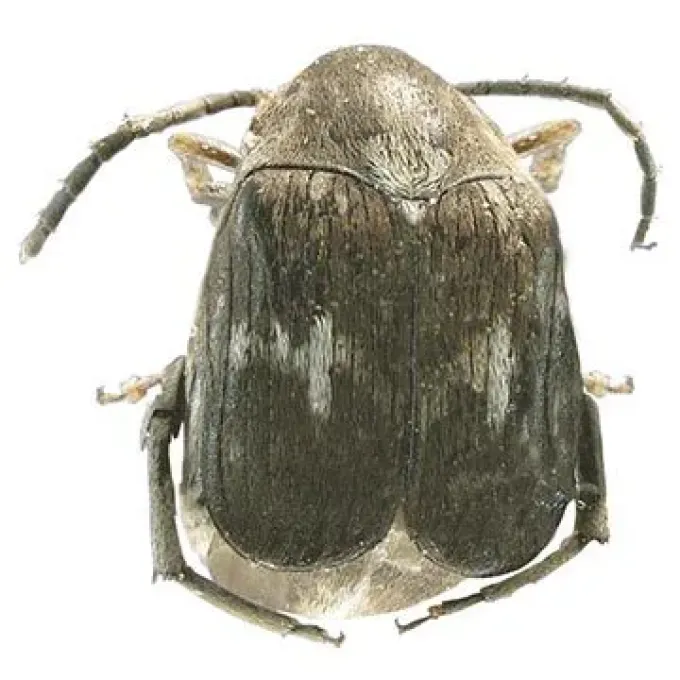
The genus Zabrotes belongs to the family Bruchidae, commonly known as seed beetles or bean weevils. These insects are small, typically rounded or oval-shaped, with a dense cover of fine hairs that gives them a patterned appearance.
The larvae are specialized internal feeders. They have a characteristic C-shaped, fleshy white body and a small, retracted head. They spend their entire developmental period inside a single legume seed.
Adult beetles possess robust hind legs, which is a common trait among Bruchids, helping them move effectively across grain surfaces. Precise identification to the species level often requires examining the male genitalia or specific morphological features of the pygidium.
Female beetles deposit their eggs directly onto the surface of legume seeds. Once the larvae hatch, they bore immediately into the interior of the seed, protected from external environmental stressors.
The life cycle is highly dependent on ambient temperature. In warm warehouse conditions, the development from egg to adult can occur rapidly, often taking less than six weeks, allowing for multiple overlapping generations per year.
What it damages
Zabrotes species primarily target leguminous crops, including beans (Phaseolus spp.), chickpeas, and various other pulse crops. They are considered significant pests in both agricultural fields and post-harvest storage facilities.
The larvae cause damage by consuming the endosperm and the embryo of the seed. This feeding activity leads to a drastic reduction in the nutritional value and viability of the seeds, rendering them unsuitable for sowing or human consumption.
Infestation usually begins in the field when pods are mature but not yet harvested. Once the infested seeds are moved into storage, the population can multiply exponentially if environmental conditions remain favorable.
Damage is not limited to physical weight loss. The presence of larvae, pupae, and frass (larval excrement) within the seeds severely compromises the quality and commercial grade of the entire commodity.
In addition to direct consumption, the feeding process creates pathways for secondary fungal infections. As insects move through the grain, they produce heat and moisture, which can lead to large-scale spoilage and germination issues.
Signs of infestation
The most recognizable sign of an infestation is the presence of perfectly circular exit holes on the seed coat. These holes are created by the adult beetles as they emerge from the grain after completing their development.
Before emergence, eggs may be visible on the seed surface. They appear as tiny, white, disc-shaped spots, often glued in clusters near the hilum or scattered across the seed coat.
When observing stored grain, a noticeable decrease in seed weight is often accompanied by a distinct, unpleasant, musty odor. This is caused by the accumulation of larval waste and the decaying interior of the seeds.
An increase in the temperature of stored bulk grain is a strong indicator of an active infestation. This «hot spot» effect is caused by the metabolic activity of the larvae and adult insects within the grain mass.
Upon closer inspection, cracked or hollowed seeds can be identified. When these seeds are gently pressed, they often crumble or split, revealing the developmental stages of the insect inside.
Control measures
Integrated pest management (IPM) is the most effective approach. This begins with thorough sanitation of storage facilities, ensuring that all debris, dust, and old grain are removed before new harvests are stored.
Maintaining strict climate control is essential. Keeping storage temperatures below 12°C and relative humidity low significantly inhibits the reproductive cycle and survival of the weevils.
For existing infestations, fumigation with registered chemical agents, such as phosphine-based products, is the standard practice for destroying larvae and adults deep within the grain bulk.
Regular monitoring of stored seeds through periodic sampling is crucial for early detection. Detecting an infestation early can prevent it from spreading to other unaffected batches of legumes.
Physical exclusion is also effective for smaller quantities. Using airtight containers or hermetic storage bags prevents adult weevils from laying eggs on the seeds and effectively manages the local population.
Taxonomy
- Latin name
- Zabrotes
- Order
- Coleoptera (beetles)
- Family
- Bruchidae
- EPPO code
- ZABRSP
Discussion
No discussions yet — be the first.