
Stator
Stator
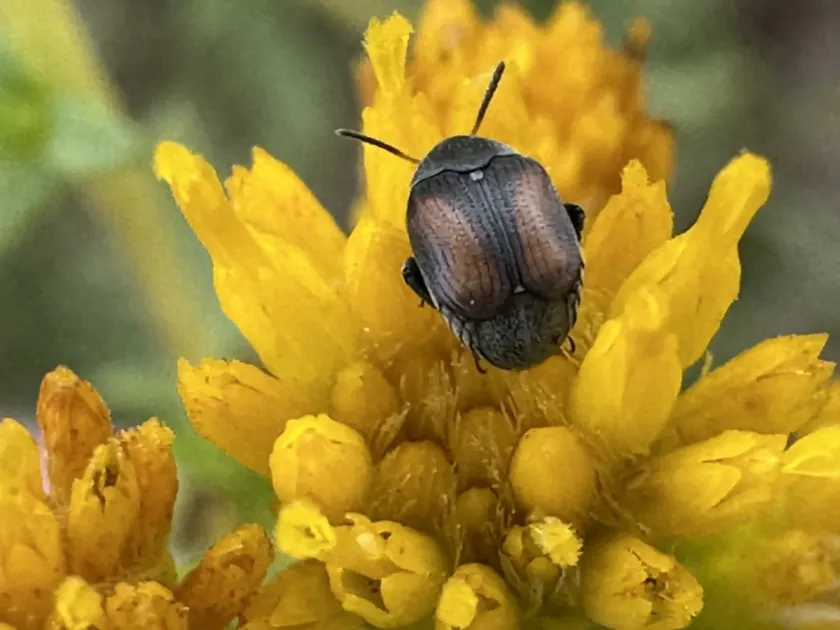
Description
How to identify
Beetles of the genus Stator belong to the family Bruchidae, commonly known as seed beetles or bean weevils. These insects are small, oval-shaped, and specifically adapted to survive within the seeds of various plants, primarily legumes.
Adult beetles feature robust hind legs, which aid in moving across the surface of pods and seeds. Their body shape is typically compact, and the elytra are often shortened, exposing part of the abdomen.
Identification often requires careful inspection, as the life cycle is cryptic. The color patterns vary among species but generally range from brown to black, sometimes with intricate spots that help them camouflage on seed surfaces.
Taxonomic classification within this genus often involves studying the male genitalia, which is the most reliable method for species-level identification in a laboratory or agricultural quarantine setting.
Understanding their morphological traits is essential for agronomists to distinguish them from other closely related storage pests that might threaten legume crops in similar environments.
What it damages
The primary damage is caused by the larval stage, which bores into the seed, consuming the cotyledons and the embryo. This activity destroys the seed's viability and drastically reduces its weight.
These pests target a wide range of Leguminosae species, including wild and cultivated varieties of beans and acacia. The destruction of the interior prevents the seed from germinating or being sold as high-quality produce.
Economic losses are compounded in storage, where Stator species can reproduce rapidly under optimal humidity and temperature conditions, leading to the complete destruction of grain stocks.
Infested seeds lose their market value, failing to meet the standards for consumption or export due to internal structural degradation and the presence of frass left by the larvae.
Furthermore, the physical damage created by the larvae creates entry points for secondary infections like molds and fungi, further reducing the overall quality and safety of the grain batch.
Signs of infestation
The most visible sign of infestation is the presence of perfectly round exit holes on the surface of the seeds, which are created by the emerging adult beetles after pupation.
Closer observation may reveal tiny egg clusters or slight surface depressions where young larvae have attempted to bore into the host seed during the initial stages of infection.
A powdery residue consisting of larval excrement and consumed plant material is often found within the container or bag, indicating an active and long-term infestation of the seed batch.
Significant loss in the density of the seed batch is another indicator; infested seeds feel lighter than healthy ones because their internal reserves have been consumed.
The movement of live adult beetles on or around stored seed bags or in the field during the ripening stage is a strong indicator of an ongoing infestation process.
Control measures
Effective management begins with strict phytosanitary measures, including the inspection and quarantine of seeds moving across regions to prevent the accidental introduction of these beetles.
In the field, the application of registered insecticides during the flowering and pod-filling stages is critical to stop females from laying eggs on the developing pods.
For stored grains, fumigation is the gold standard for management, as it is the only effective way to kill larvae that are already protected deep inside the seed coat.
Heat treatment, which involves subjecting the seeds to specific temperatures for a set duration, is a non-chemical alternative that can effectively kill all life stages of the Stator beetle.
Integrated Pest Management (IPM) practices, including the use of clean planting stock and early harvesting, significantly reduce the opportunity for the beetle population to establish and cause economic damage.
Taxonomy
- Latin name
- Stator
- Order
- Coleoptera (beetles)
- Family
- Bruchidae
- EPPO code
- STAOSP
Discussion
No discussions yet — be the first.