
Caryoborus
Caryoborus
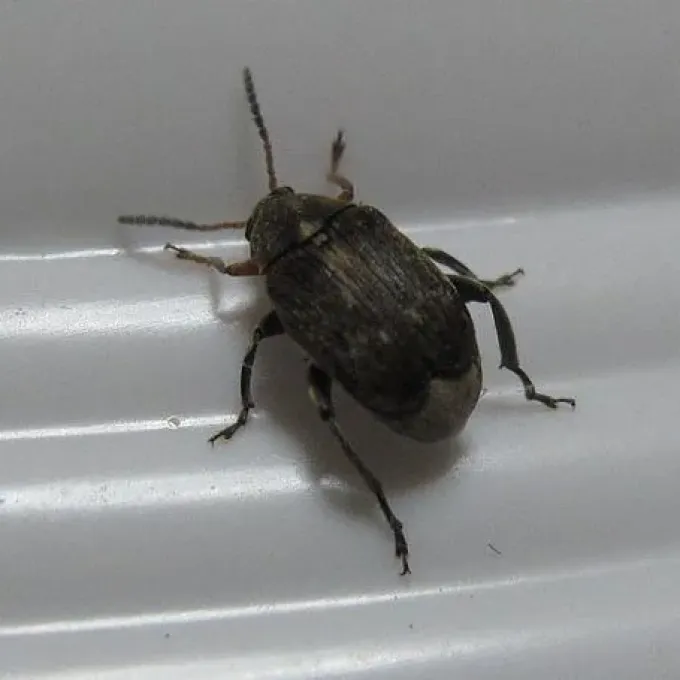
Description
How to identify
Caryoborus is a genus of seed beetles belonging to the family Chrysomelidae. These beetles are highly specialized pests known for infesting the seeds and nuts of various palm species (Arecaceae).
Adult beetles are typically oval in shape, ranging from 3 to 7 mm in length. Their coloration is generally dark brown or black, often with subtle patterns of setae on their elytra, which provide camouflage.
The larvae are typical of the Bruchinae subfamily: they are white, C-shaped, legless, and possess strong, chitinized mouthparts adapted for boring into hard, lignified seed tissues.
Taxonomically, they are part of the order Coleoptera. Because they are often introduced into new regions through international trade, they are frequently monitored as quarantine objects by agricultural authorities.
Identifying species within this genus is complex and usually requires dissection of male genitalia or expert microscopic examination, as external characteristics are often similar across different species.
What it damages
The primary damage is caused by larvae consuming the embryo and endosperm of palm seeds. This destruction renders the seeds non-viable, which is catastrophic for botanical gardens and commercial nurseries.
Infestation is often insidious. The entrance hole is minute, and the larval development occurs entirely within the seed, meaning that a batch of seeds can appear perfectly healthy even while the inner contents are being hollowed out.
Severe infestations can lead to complete loss of seed viability. Furthermore, the tunnels created by the beetles facilitate the entry of secondary pathogens, such as fungi, which cause the seeds to rot.
The economic impact is significant in regions where palms are cultivated for agriculture or ornamental purposes, as the destruction of germplasm can hinder the conservation of rare species.
In retail or storage environments, the presence of these beetles can lead to the condemnation of entire stock shipments due to phytosanitary regulations regarding seed pests.
When it appears
Caryoborus development is highly temperature-dependent. In their native tropical and subtropical habitats, they can reproduce continuously throughout the year if host material is available.
Females lay eggs on the surface of seeds. Once the larva hatches, it bores into the seed coat, creating a small entrance tunnel that is often sealed by the larva's own secretions.
Optimal development occurs at temperatures between 20°C and 30°C. In such conditions, the lifecycle from egg to adult may take several months, depending on the hardness of the seed coat.
When temperatures drop below the optimum, the beetles may enter a state of diapause, allowing them to survive inside the seed until conditions become favorable for growth or emergence.
The continuous availability of palm seeds in commercial trade provides an artificial environment that supports the survival and spread of these beetles regardless of external seasonal changes.
Signs of infestation
The most prominent sign of infestation is the appearance of circular exit holes on the seed coat. These holes are created by adults as they emerge from the pupation chamber inside the seed.
Fine powdery frass, which is the waste product of the larva's feeding, is often found near the exit holes or within the packaging of stored seeds.
- Circular holes 1–2 mm in diameter on the seed surface.
- Unexpectedly low weight of seeds when compared to healthy ones.
- Presence of live or dead beetles inside packaging.
- Soft spots or discoloration on the seed coat.
- Reduced germination rates when attempting to grow seeds.
Detecting infestations before emergence is difficult, but seed candling or weighing individual seeds can sometimes reveal those that have been hollowed out internally.
Control measures
Stringent phytosanitary inspection is the primary defense. All imported palm seed shipments should be thoroughly screened for exit holes or signs of larval entry before acceptance.
Fumigation with professional-grade chemicals, such as aluminum phosphide, is the standard method for disinfecting large batches of seeds without compromising their integrity.
Heat treatment is a potential control method; however, it requires strict control of temperature and duration to kill the larvae while ensuring the seed embryo is not killed or damaged by heat.
In greenhouses, isolation of new plant material and the use of sticky or pheromone traps can help monitor for the presence of adult beetles, allowing for targeted insecticide treatments.
Good sanitation practices, including the removal and disposal of infested seeds and debris, are essential to prevent the spread of the pest within storage facilities or collections.
Taxonomy
- Latin name
- Caryoborus
- Order
- Coleoptera (beetles)
- Family
- Bruchidae
- EPPO code
- CAYBSP
Discussion
No discussions yet — be the first.