
Rhopalotria
Rhopalotria
Description
How to identify
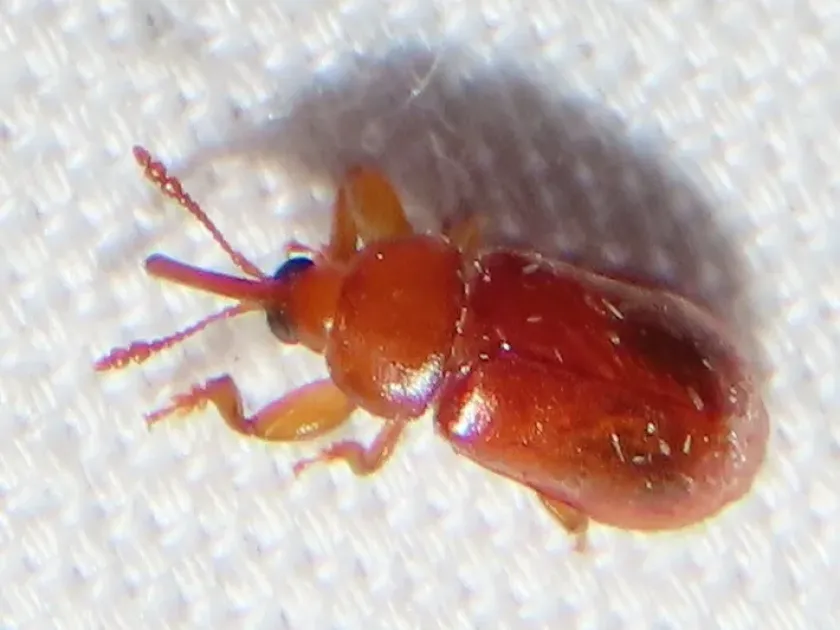
Rhopalotria is a genus of weevils belonging to the family Curculionidae (order Coleoptera). These insects are highly specialized organisms that have evolved a symbiotic or parasitic relationship with specific cycad species.
The adult weevils exhibit a classic morphology of the Curculionidae family, featuring a distinct snout (rostrum) used for both feeding and preparing sites for oviposition within the plant tissue.
Their coloration is typically dark, ranging from brown to black, which serves as a camouflage mechanism when they reside on the surfaces of host plant cones.
These insects are relatively small in size; however, their specialized diet makes them significant pests in botanical gardens and specialized plant nurseries.
The larval stage consists of legless, creamy-white grubs with robust mandibles capable of boring through the dense reproductive tissues of cycads.
What it damages
Rhopalotria primarily targets members of the Cycadaceae family, showing a strong host preference for the genus Zamia.
The damage is concentrated on the reproductive organs, specifically the male and female strobili (cones), which are the essential organs for plant propagation.
Larvae feed internally, hollowing out the cones and destroying the developing ovules and pollen-producing structures.
Heavy infestations can lead to total failure of seed production, causing significant loss for nurseries and collectors who rely on these plants for reproduction.
Besides the primary tissue destruction, the galleries bored by the larvae create entry points for secondary pathogens, leading to rotting and tissue necrosis.
When it appears
The activity cycle of Rhopalotria is strictly synchronized with the phenology of its host plants, particularly the cone-producing season.
Most damage occurs during the warmer months when the cycads are developing their strobili, providing abundant food resources for the developing larvae.
In greenhouses where temperatures remain consistent throughout the year, the reproductive cycle of the weevil may be accelerated or year-round.
Overwintering usually takes place within the protection of the old, dry cones or within the woody parts of the plant, allowing the insect to survive unfavorable periods.
Adult emergence typically happens in synchronization with the start of the plant's reproductive phase, ensuring that new cones are available for the next generation.
Signs of infestation
The most visible sign of infestation is the presence of small, circular exit holes on the exterior of the cone scales.
Accumulation of "frass" (a mixture of excrement and fine plant material) at the base of the plant or around the cone is a clear indication of active boring activity.
Infested cones may exhibit uneven growth, premature yellowing, or early abortion/shedding from the plant axis.
Internal inspection of a suspected cone often reveals larval galleries, frass deposits, and the presence of larvae or pupae inside the chambers.
- Small holes on the surface of strobili.
- Frass accumulation at the base of the plant.
- Deformation or necrosis of cone scales.
Control measures
The most effective strategy is regular monitoring of cycad collections, especially during the cone development stage, for early detection of infestation.
Physical removal and destruction of infested cones are recommended as the primary measure to reduce the population density of the pest.
Chemical control can be challenging due to the potential phytotoxicity of insecticides to sensitive cycad species; use only systemic products as directed.
Biological control approaches, such as the application of entomopathogenic fungi, are being explored as safer alternatives to synthetic chemicals.
Strict quarantine procedures should be enforced when importing new cycad specimens to prevent the accidental introduction of these specialized weevils into new areas.
Taxonomy
- Latin name
- Rhopalotria
- Order
- Coleoptera (beetles)
- Family
- Belidae
- EPPO code
- RHPTSP
Discussion
No discussions yet — be the first.