
Omonadus
Omonadus
Description
How to identify
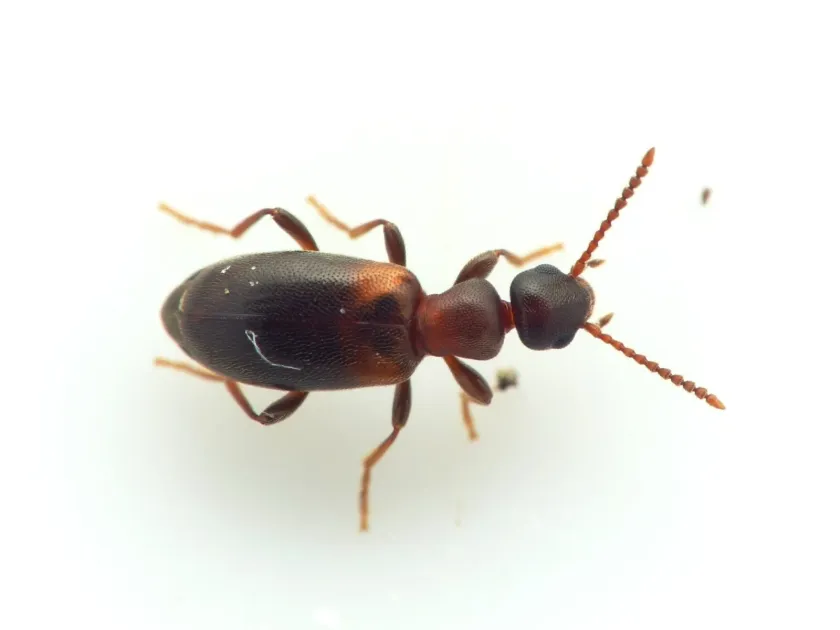
Omonadus is a genus of beetles belonging to the Anthicidae family, commonly known as ant-like flower beetles. These insects are small in size, typically measuring 2 to 4 mm in length, and are easily recognized by their resemblance to ants.
Their morphological structure includes a narrow prothorax, which gives them a distinctive appearance compared to other beetles. They are usually dark-colored, ranging from brown to black, sometimes with metallic or lighter markings on their wing covers.
Systematically, they fall under the order Coleoptera. Identifying specific species within the genus Omonadus often requires microscopic examination of the male genitalia, as external morphological characters can be very subtle and variable.
The larval stage is primarily subterranean or found in decaying organic matter. Larvae are slender and light-colored, remaining mostly out of sight during their development, which makes them difficult to track in field conditions.
The beetles are most active during the warmer months, when they migrate toward crops to feed and reproduce, completing their life cycle in synchronization with the phenology of their host plants.
What it damages
Omonadus species can be a significant threat to a variety of agricultural crops, including cereals and legumes. They typically cause damage during the flowering and seed-setting stages of the plants.
Adult beetles primarily consume pollen and floral tissues. By feeding on the reproductive organs, they prevent successful pollination and cause significant reduction in grain yield and quality.
Larvae feed on roots and stems, especially in young plants. This feeding pattern causes the plants to become stunted, weak, and more susceptible to environmental stress, often resulting in lower yields at harvest time.
A secondary effect of Omonadus damage is the facilitation of plant pathogens. The lesions left by the beetles serve as entry points for various fungi and bacteria, leading to rot and disease development.
Economic damage depends on the population density. In fields with high beetle activity, the combination of direct feeding and pathogen infection can significantly reduce the overall harvest quality and total volume.
When it appears
The activity of Omonadus typically commences in the spring, once temperatures consistently stay above 15°C. This triggers the emergence of the overwintering generation.
The flight period for adults lasts throughout the summer. Periods of moderate temperature and humidity create optimal conditions for their reproduction, leading to an increase in population density.
The life cycle encompasses four stages: egg, larva, pupa, and adult. Depending on the geographical region and climate, the species may produce one or two generations per season, influencing the intensity of the infestation.
Overwintering occurs primarily in the adult stage, sheltered within the top layer of soil, under leaf litter, or in crevices near the edges of fields, providing protection from harsh winter elements.
Field colonization is usually gradual. Monitoring efforts should begin shortly after the emergence of the first crops to identify potential outbreaks before they spread across the entire plot.
Signs of infestation
The most reliable signs of Omonadus infestation are found on the reproductive parts of the plants. Observing the crop closely during flowering is essential for detecting the presence of the pest.
- Visible holes or tissue scraping on flower buds and blooms.
- Presence of adults on the terminal leaves and flowering heads.
- Fecal pellets or other debris on the plant surface indicating recent feeding.
- Secondary fungal growth appearing at damaged sites.
- Premature flower drop or malformed grain development.
Using yellow sticky traps is a common and effective method for monitoring adult Omonadus populations in the field and determining the precise timing for intervention.
Control measures
Effective management of Omonadus requires an Integrated Pest Management (IPM) approach. Cultural control methods, such as deep plowing after harvest, are essential to destroy overwintering sites.
Crop rotation serves as a critical strategy to prevent population buildup, as it deprives the pest of its preferred hosts in consecutive seasons, significantly reducing the pressure on the current crop.
Chemical intervention should only be applied if economic thresholds are exceeded. If necessary, systemic insecticides applied before the peak flowering period are most effective, while minimizing harm to beneficial pollinators.
Conservation of natural enemies, such as predators and parasitoids, plays a key role in natural population regulation. Maintaining field borders with natural vegetation can help support these beneficial species.
Routine scouting and data collection are vital for successful control. By identifying the early stages of an infestation, farmers can apply targeted management practices rather than relying solely on blanket insecticide applications.
Taxonomy
- Latin name
- Omonadus
- Order
- Coleoptera (beetles)
- Family
- Anthicidae
- EPPO code
- OMONSP
Discussion
No discussions yet — be the first.