
Platynota sentana
Platynota sentana
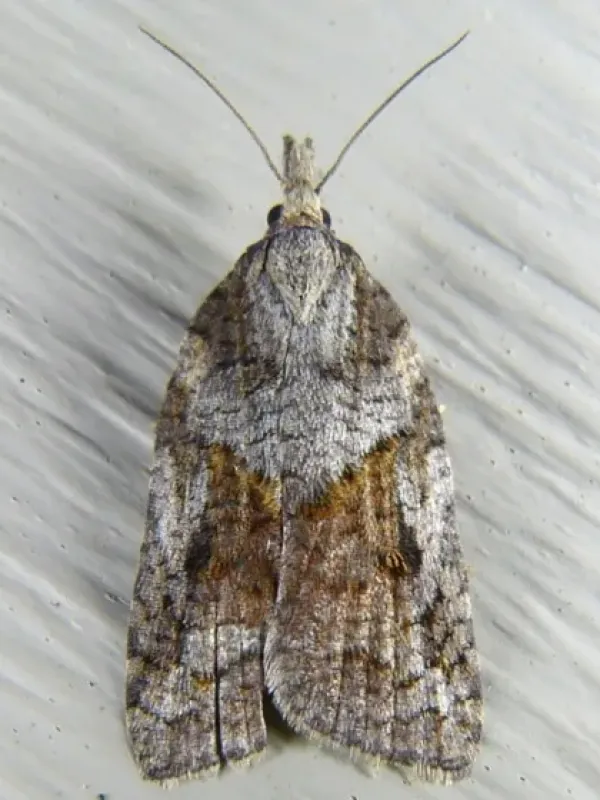
Description
How to identify
Platynota sentana is a species of moth belonging to the family Tortricidae, the order Lepidoptera. Like other leafrollers, it is the larval stage that causes significant damage to various botanical hosts.
The adult moth possesses cryptic coloration on its forewings, which serves as camouflage against tree bark. The larvae, which are the primary focus for pest control, undergo several developmental instars, becoming increasingly voracious as they grow.
The life cycle of this species is highly dependent on environmental conditions, allowing it to complete multiple generations per season in favorable climates. This multivoltine nature necessitates vigilant population monitoring.
Reproduction involves laying eggs in clusters on leaves or within bud axils. Upon hatching, the larvae immediately seek sheltered areas on the host plant to begin feeding.
Accurate identification of the species often requires morphological examination of reproductive structures, as adult moths share superficial similarities with other members of the tortricid group.
What it damages
This pest affects a broad range of agricultural crops, including fruit trees, berry bushes, and certain ornamental plants. It poses a particular threat to young orchards and nursery-grown saplings.
The larvae feed on leaf tissue, creating holes or skeletonizing the leaves. When they infest terminal buds, they cause stunted growth and malformation of the developing shoots.
During the fruit maturation stage, larvae often feed on the skin and underlying flesh of fruits. Such injuries facilitate the entry of secondary pathogens, leading to fruit rot and significant yield loss.
In nursery settings, the damage caused by leafroller larvae results in bent or weakened shoots, rendering the saplings unsaleable due to poor plant architecture.
Heavy infestations reduce the overall photosynthetic capacity of the plant, weakening its vigor and potentially impacting fruit quality and yields for subsequent growing seasons.
Signs of infestation
The most prominent sign of infestation is the presence of leaves rolled or tied together with fine, silken webbing. These structures act as protected shelters for the larvae.
Feeding damage is characterized by ragged leaf margins and the presence of small, dark granular frass (excrement) within the webbed leaf nests. Shoot deformation is also a common indicator.
The observation of silk webbing at the terminal points of branches is a reliable diagnostic feature of tortricid activity, warranting immediate inspection of the canopy.
Nighttime activity of adult moths can be monitored using light traps, which helps growers determine the timing of egg-laying and the subsequent need for control measures.
Severe infestations manifest as general canopy decline, including yellowing leaves, premature leaf drop, and the accumulation of decaying fruit on the branches.
Control measures
Controlling Platynota sentana requires an integrated pest management (IPM) strategy that combines cultural, biological, and chemical control techniques.
Cultural methods focus on sanitation, such as pruning out infested shoots and removing leaf litter during the dormant season to eliminate overwintering pupae and larvae.
Biological control includes the use of pheromone traps to disrupt mating cycles and the application of biological pesticides derived from Bacillus thuringiensis to target early-stage larvae.
Chemical intervention should be strategically timed based on pest monitoring data. Applying insecticides when larvae are in their early instars is crucial for successful suppression.
- Application of systemic or contact insecticides during peak egg-hatch periods.
- Deployment of trap bands on tree trunks to capture migrating larvae.
- Encouraging natural predators, such as parasitic wasps and beneficial insects, within the agroecosystem.
Discussion
No discussions yet — be the first.