
Plagideicta
Plagideicta
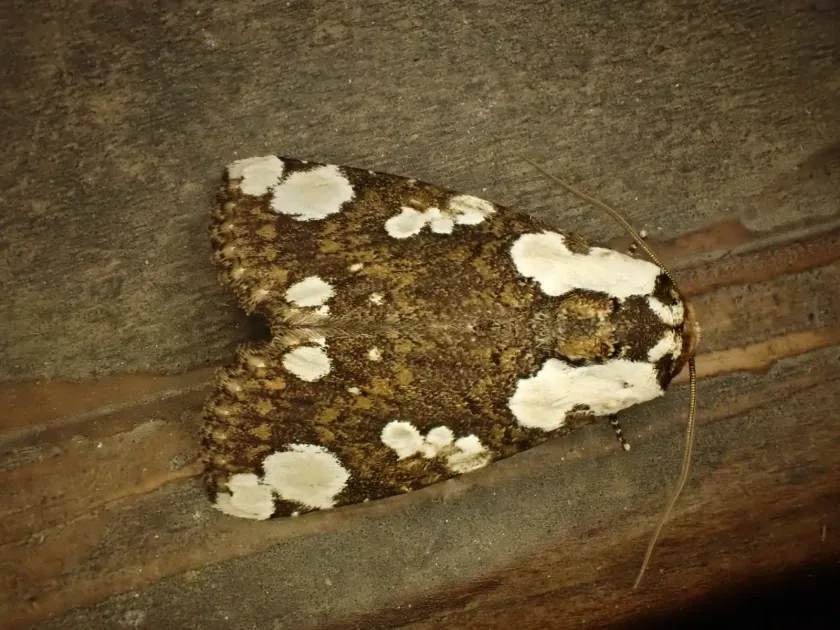
Description
How to identify
Plagideicta is a genus of insects belonging to the order Lepidoptera, specifically within the Noctuidae family. These insects exhibit typical characteristics of moths, including robust bodies and specialized forewings that provide excellent camouflage against their natural surroundings.
Taxonomically, this genus belongs to subfamilies known for their nocturnal behavior and life cycles that include complete metamorphosis. The adults have well-developed sensory organs, enabling them to locate host plants for oviposition even in fragmented landscapes.
The larval stage, or caterpillar, possesses a specialized chewing mouthpart, which is highly efficient at processing plant tissues. Their coloration is often adapted to mimic the leaf structures of their host, serving as a primary defense against predators.
Pupation generally occurs within the soil or amongst plant debris, where the insect remains in a dormant state until environmental conditions trigger the emergence of adults. This diapause mechanism ensures the species can endure unfavorable winter conditions.
Identifying specific species within the genus often requires expert examination of morphological structures, including genitalia, due to the high phenotypic variability across different habitats.
What it damages
This pest affects a wide range of herbaceous plants, including both wild species and various agricultural crops. The damage is primarily caused by the larval stage, which feeds voraciously on the vegetation.
Caterpillars feed on the leaf tissue, often skeletonizing the leaves by consuming the soft mesophyll while leaving behind tougher veins. In severe cases, this significantly reduces the plant's photosynthetic capacity.
Younger plants are particularly vulnerable, as they often lack the structural integrity to withstand significant leaf loss. Feeding on growing tips can lead to stunted growth and permanent deformation of the plant architecture.
By compromising the integrity of the plant's epidermis, the pest creates entry points for various secondary pathogens, such as fungi and bacteria. These infections often compound the damage caused by the larvae themselves.
Economic damage depends on the population density and the specific crop vulnerability. If left unchecked, infestations can lead to substantial yield losses in commercial farming operations.
When it appears
The life cycle and activity of Plagideicta are closely linked to seasonal variations in temperature and moisture levels. Peak activity is typically observed during the spring and summer months when host plant availability is highest.
Adult moths are nocturnal, exhibiting peak activity during twilight hours, which makes them difficult to observe during standard field inspections. Mating and egg-laying occur during these quiet, low-light periods.
The development of larvae usually coincides with the period of rapid leaf growth in host plants. This synchrony maximizes the pest's access to nutrients, leading to rapid development and increased damage potential.
Wintering occurs during the pupal stage, usually buried in the soil or under leaf litter. This location provides protection against frost and desiccation, allowing the species to survive until spring conditions arrive.
Depending on the climatic zone, the number of generations per year can vary. Ongoing monitoring is essential throughout the growing season to identify potential population spikes.
Signs of infestation
The first signs of an infestation include the appearance of irregular holes or notched edges on the leaves. These patterns are often clear indicators that chewing larvae are present in the field.
Fecal droppings found on the leaf surfaces or at the base of the plant are reliable signs of larval feeding activity. Observing these droppings is a straightforward way to confirm the pest's presence.
Webbing found on young shoots or leaves that appear folded or rolled may indicate that the caterpillars are creating protective nests. Such behavior is common during larval development and protection from elements.
Overall plant weakness, yellowing, or signs of delayed growth often indicate that an infestation has reached a critical level. These plants are often heavily stressed and susceptible to further decline.
- Irregular, notched leaf edges
- Presence of frass (droppings) on leaves
- Webbing between leaf surfaces
- Stunted or deformed growing tips
- Observation of larvae during twilight hours
Control measures
Effective control of Plagideicta requires an integrated pest management (IPM) strategy that combines cultural, chemical, and biological approaches to reduce population pressure.
Cultural methods, such as deep autumn plowing, are highly effective as they disturb the soil and expose overwintering pupae to the elements and natural predators.
Chemical control involves the application of targeted insecticides during the early larval stages. Proper timing is crucial to maximize efficacy and minimize negative impacts on non-target species.
Biological control, including the use of entomopathogenic fungi or bacteria, can be an excellent alternative, offering specific control of the pest while preserving beneficial insect populations in the field.
Regular monitoring using light or pheromone traps allows farmers to detect the arrival of adult moths early, enabling proactive and precise control measures to protect crop yields.
Discussion
No discussions yet — be the first.