
Osmylus
Osmylus
Description
How to identify
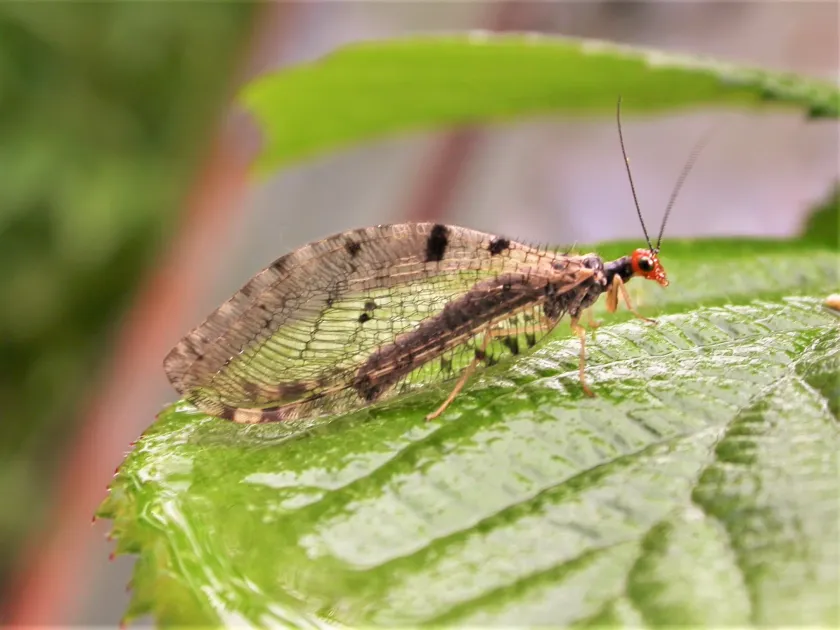
Osmylus is a genus of insects within the family Osmylidae, belonging to the order Neuroptera. These insects are known for their delicate, net-veined wings, which often feature intricate dark patterns that provide excellent camouflage in shaded environments.
The adult form has a slender body, long antennae, and prominent eyes, which are characteristic of active predators. They are typically found in humid locations, such as riverbanks, damp woodland areas, or near garden ponds, where they stay hidden during the day.
The larvae of the Osmylus genus are uniquely adapted for a predatory lifestyle. They possess large, sickle-shaped mandibles that are highly effective for capturing and immobilizing small prey in damp soil or leaf litter.
The life cycle undergoes complete metamorphosis, including egg, three larval stages, pupa, and adult. The pupal stage occurs within a silken cocoon, often constructed from silk and debris to protect the developing insect from environmental stressors.
While often noticed by observers, these insects are not agricultural pests. They occupy a niche in the ecosystem as natural controllers of small arthropods, maintaining balance in the environments they inhabit.
What it damages
Osmylus does not cause damage to plants. It is a strictly predatory insect that survives by consuming other small invertebrates. Consequently, it has no interest in plant tissues, sap, or roots, making it completely harmless to crops.
There are no recorded instances of Osmylus acting as a pest in commercial or private gardening. Any perceived damage to crops in areas where these insects are present is typically caused by other true pests that might be coexisting in the same humid habitat.
Because they do not eat plants, they do not require chemical treatments. Treating them as pests can lead to unnecessary pesticide application, which damages the environment and eliminates other beneficial insects that reside in the garden.
In fact, their presence is beneficial. As predators, they feed on larvae and small organisms that could otherwise become significant garden pests. They effectively contribute to natural pest suppression.
Understanding the role of Osmylus is crucial for sustainable agriculture. By recognizing them as non-pest insects, gardeners can save resources and promote a healthier, more diverse ecosystem within their plots.
When it appears
The active season for adult Osmylus typically spans from late spring through mid-summer. During this period, they are most active in their mating rituals and egg-laying processes in suitable moisture-rich habitats.
Hibernation or overwintering occurs primarily at the larval stage. They seek refuge in sheltered areas like moss, decaying wood, or deep soil layers, which offer protection from freezing temperatures and desiccation during the winter months.
Spring marks the beginning of their increased activity. As the weather warms, the larvae emerge from their overwintering sites to resume hunting, responding to the rise in humidity and prey availability in the environment.
The summer cycle focuses on completing their metamorphosis. Once the pupal stage is finished, adults emerge to start the cycle anew, ensuring the survival and spread of their population through the growing season.
By autumn, as temperatures drop, the population shifts towards dormancy. This predictable seasonal pattern allows them to thrive consistently in stable, undisturbed natural or garden environments.
Signs of infestation
Signs of Osmylus presence are primarily the sighting of adults near water sources or shaded, damp locations. Their unique wing structure and slow, graceful flight are the most recognizable features when observing them.
The discovery of their small, camouflaged cocoons on tree trunks or hidden amongst vegetation near water can also indicate their existence in a specific area, confirming that the habitat is suitable for their development.
The absence of damage on nearby vegetation is the strongest sign that the presence of the insect is benign. If you observe these insects without signs of plant necrosis or feeding, it is an indicator of ecological balance.
Larvae can sometimes be identified by their predatory behavior within leaf litter or moss. They are highly active when their immediate surroundings are disturbed, showing their nature as efficient, localized predators.
Their presence is a positive bio-indicator. Finding Osmylus in a garden suggests that the site has a healthy water management system and a balanced environment that supports a wide array of beneficial wildlife.
Control measures
No control measures are necessary because Osmylus is not a pest. Management should focus on preservation rather than elimination. Protecting their natural habitats is the best way to support their presence.
Maintain the health of garden ponds and damp areas by keeping the surrounding vegetation undisturbed. This provides the necessary environment for the larvae to hunt and the adults to find shelter and nesting sites.
When applying pesticides for other, actual pests, choose selective products. Broad-spectrum insecticides can unintentionally wipe out beneficial predators like Osmylus, leading to secondary pest outbreaks.
Monitor your crops regularly to distinguish between true pests and harmless visitors. Education on identifying beneficial insects is the most effective way to manage a garden without resorting to excessive chemicals.
Encourage natural biodiversity in your plots. By creating zones that are conducive to beneficial predators, you strengthen the overall resilience of your plants against potential pest pressure.
Discussion
No discussions yet — be the first.