
Monima
Monima
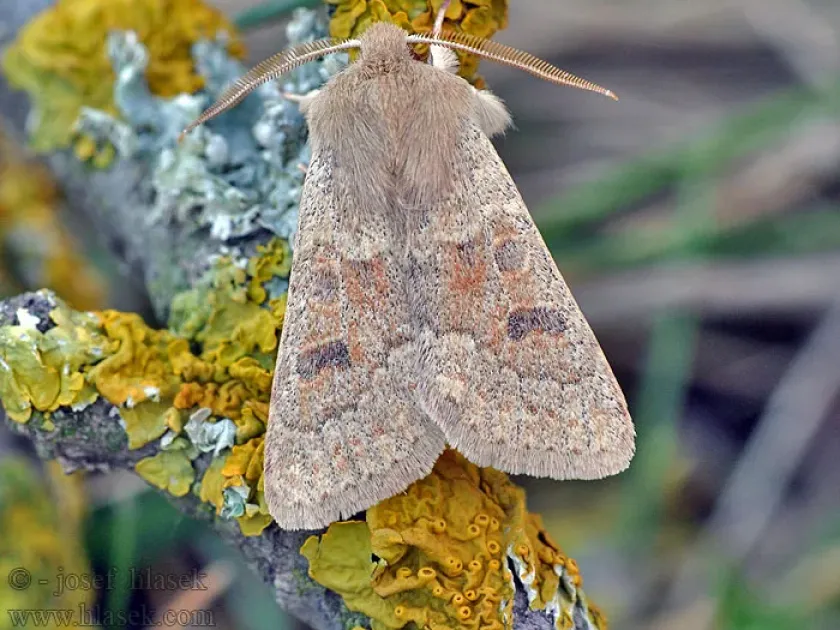
Description
How to identify
Monima (lat. Monima) is a genus of moths belonging to the family Noctuidae within the order Lepidoptera. Adult insects are nocturnal and possess excellent camouflage capabilities, blending in with bark or foliage.
The morphology of the imago features a robust, hair-covered body and broad wings, typically displaying muted grey or brown tones. These features serve as an evolutionary adaptation for survival during the daytime in forested or agricultural areas.
The larval stage, or caterpillar, is the primary destructive phase. They possess a strong chewing mouthpart system designed for rapid consumption of plant tissues, which often leads to significant agricultural damage.
The life cycle follows a complete metamorphosis pattern: egg, larva, pupa, and imago. Each developmental stage is highly dependent on environmental factors such as temperature and humidity, which dictate the timing of infestations.
Specialists use pheromone or light traps to monitor the activity of adult moths, which is a crucial step in predicting the timing of larval hatching and organizing preventative measures.
What it damages
Caterpillars of the Monima genus are known for their polyphagous nature, meaning they feed on a wide variety of plants. They cause significant harm to fruit trees, shrubs, and various field crops.
During their active feeding stage, larvae consume buds, young leaves, and flowers. This damage directly reduces the photosynthetic capacity of the plant and limits the potential for future fruit set.
Beyond vegetative destruction, the pest often damages fruit ovaries. This results in direct yield losses and reduces the quality and marketability of the remaining produce, making it susceptible to rot.
Young orchards and nursery plants are particularly vulnerable. Damage to the terminal buds of young saplings can cause growth stagnation and the formation of asymmetrical crowns, impacting the tree's health for years.
- Consumption of generative plant buds.
- Reduction in overall leaf surface area.
- Decrease in fruit quality and yield.
- Increased susceptibility to secondary fungal infections.
When it appears
Adult Monima activity typically begins in early spring as temperatures stabilize. This is the period when moths emerge from hibernation sites to mate and lay eggs on suitable host plants.
The period of most intensive larval feeding aligns with the bud-break and rapid leaf growth phase of the host plants. Protecting plants during this early spring window is essential for successful harvests.
Climate patterns significantly influence the population density of this pest. Warm and early springs often lead to a rapid increase in larval numbers, necessitating strict and timely monitoring by agronomists.
Pupae generally overwinter in the soil or under leaf litter. This subterranean or ground-level life stage provides a safe haven from harsh winter frosts, allowing the population to persist from year to year.
Understanding the phenology of this moth is key to effective crop management. Timely intervention before the larvae reach maturity can prevent the most severe damage to the crop.
Signs of infestation
The first indicator of an infestation is often the presence of frass (caterpillar excrement) on leaves beneath feeding sites, which highlights the active presence of larvae in the canopy.
Irregular, chewed leaf margins or skeletonized foliage are clear signs of feeding. Larvae often target younger, more tender leaves first, causing noticeable cosmetic and physiological damage.
Buds affected by the pest often dry out and fail to develop. Some species utilize silk threads to spin leaves together, creating protective shelters where they hide during the day to avoid predators.
Nighttime visual surveys using a flashlight are the most accurate method to estimate population size, as the caterpillars emerge from their shelters to feed under the cover of darkness.
Finding pupae in the soil at the base of affected trees after the growing season confirms that the pest has successfully completed its reproductive cycle in that specific location.
Control measures
Cultural practices, such as autumn soil cultivation in orchard rows, can help destroy overwintering pupae, significantly reducing the pest load for the following season.
Biological control using Bacillus thuringiensis-based sprays is highly effective against young larvae and remains an environmentally friendly option for integrated pest management programs.
Chemical control should be employed only when necessary, based on economic injury thresholds. Utilizing selective insecticides ensures protection while minimizing the impact on non-target beneficial insects.
The deployment of pheromone traps serves as an essential tool for monitoring and early warning, allowing for precise timing of any necessary defensive sprays.
Encouraging the presence of natural predators, such as birds and parasitic wasps, provides a long-term strategy for keeping pest populations within manageable limits throughout the season.
Discussion
No discussions yet — be the first.