
Maecolaspis
Maecolaspis
Description
How to identify
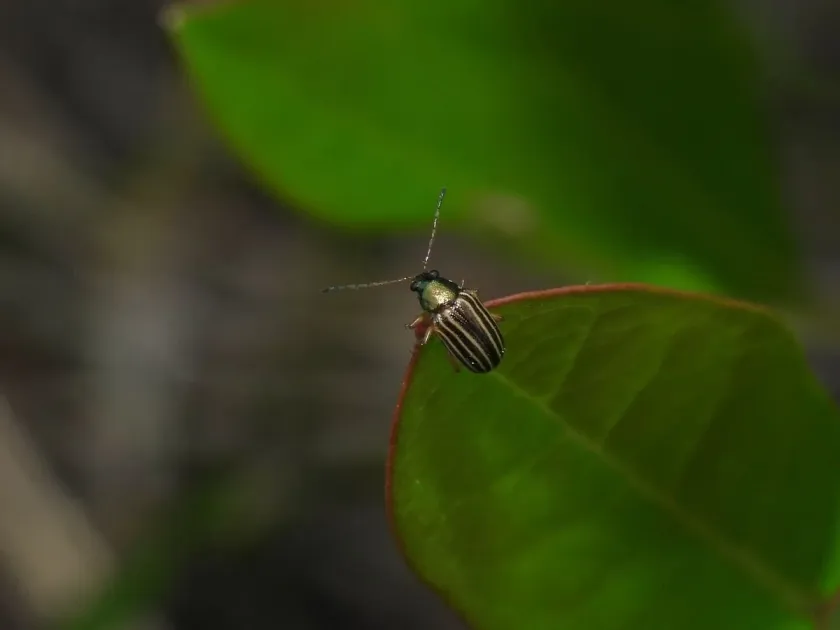
Maecolaspis is a genus of leaf beetles belonging to the family Chrysomelidae within the order Coleoptera. Adult beetles are relatively small, typically measuring between 5 and 8 mm in length, and are known for their distinct metallic sheen, which can range from bronze and copper to metallic green.
The larval stage of Maecolaspis lives primarily underground, making it a hidden threat to crop development. Larvae possess the characteristic C-shaped body of many soil-dwelling beetles, with a pale or yellowish color and well-developed legs designed for movement through the soil profile.
The life cycle involves four distinct stages: egg, larva, pupa, and adult. Pupation occurs in the soil, often protected by a subterranean cell, which adds a layer of complexity for farmers trying to monitor or control the population during its developmental phases.
Adult beetles typically emerge during the growing season to feed on foliage and lay eggs in the soil near the root zones of host plants. Depending on the geographical region and climate, the species usually completes one generation per year, with larvae being the primary overwintering stage.
Their ability to thrive in various soil types and their resilience during the winter months contribute to the persistence of Maecolaspis populations in agricultural fields, necessitating regular scouting and proactive management strategies.
What it damages
Maecolaspis is known to cause significant economic losses across various agricultural crops, including corn, soybeans, and sunflower. Both the larval and adult stages contribute to plant stress and yield reduction through different feeding mechanisms.
Larval feeding focuses on the root system, where they prune or completely consume fine root hairs. This disruption of the root architecture severely hampers the plant's ability to take up water and nutrients, leading to stunting, poor vigor, and increased susceptibility to environmental stress.
Adult beetles cause damage to the above-ground portions of the plant by feeding on leaves. They consume the leaf tissue between the veins, creating characteristic irregular holes or "shothole" patterns that reduce the plant's total photosynthetic capacity and overall health.
Young seedlings are particularly vulnerable to Maecolaspis infestations. Damage at this stage can result in significant stand loss, forcing farmers to replant affected areas, as compromised roots cannot support the growth of a healthy plant in the subsequent developmental stages.
Furthermore, the damage caused by these beetles can act as entry points for various soil-borne pathogens. By weakening the plant’s structural integrity and physiological defenses, Maecolaspis facilitates the spread of fungal and bacterial diseases throughout the field.
Signs of infestation
The first visual sign of a Maecolaspis infestation is usually the presence of irregular, small holes in the leaves caused by adult feeding. During the peak of activity, farmers can often spot the metallic-colored beetles resting on the upper leaves of the crop.
Plants affected by larval feeding often exhibit symptoms of wilting, nutrient deficiency, or stunted growth, even when moisture levels in the soil are adequate. If a plant appears suddenly weak or easy to pull from the ground, root feeding by larvae should be suspected.
Field patches with uneven plant heights or sparse emergence are classic indicators of underground pest pressure. In such areas, a thorough excavation of the soil around the base of the roots is necessary to confirm the presence of larvae.
If adult feeding is observed, it serves as a warning for future infestation, as these adults will soon deposit eggs into the soil. Monitoring adult population levels helps in predicting the intensity of larval pressure for the next season or the next developmental stage of the crop.
Yellow sticky traps or visual counts are effective tools for monitoring the population density of adult beetles. Tracking these numbers allows for informed decision-making regarding the timing and necessity of insecticide applications.
Control measures
Managing Maecolaspis requires an integrated pest management (IPM) strategy that combines cultural practices with chemical interventions. Prevention starts with sound agronomic decisions to disrupt the beetle's life cycle.
Deep tillage in the fall or early spring can be effective in disturbing the soil, thereby exposing larvae and pupae to predators and environmental extremes. This reduction in the overwintering population helps lower the pest pressure for the coming season.
Seed treatments with systemic insecticides are a standard industry practice to protect seedlings during the critical establishment phase. These treatments provide a protective zone around the roots, effectively deterring larvae from feeding on the young tissues.
- Implementing crop rotation to break the pest's cycle.
- Using soil-applied insecticides at planting time in high-risk fields.
- Foliar insecticide applications for adults once threshold levels are met.
- Promoting strong plant growth through proper fertilization and irrigation.
When chemical control is necessary, timing is crucial. Foliar treatments should be applied when adult populations are active on the foliage, ensuring the product reaches the beetles before they deposit significant amounts of eggs into the soil.
Discussion
No discussions yet — be the first.