
Limnephilidae
Limnephilus
Description
How to identify
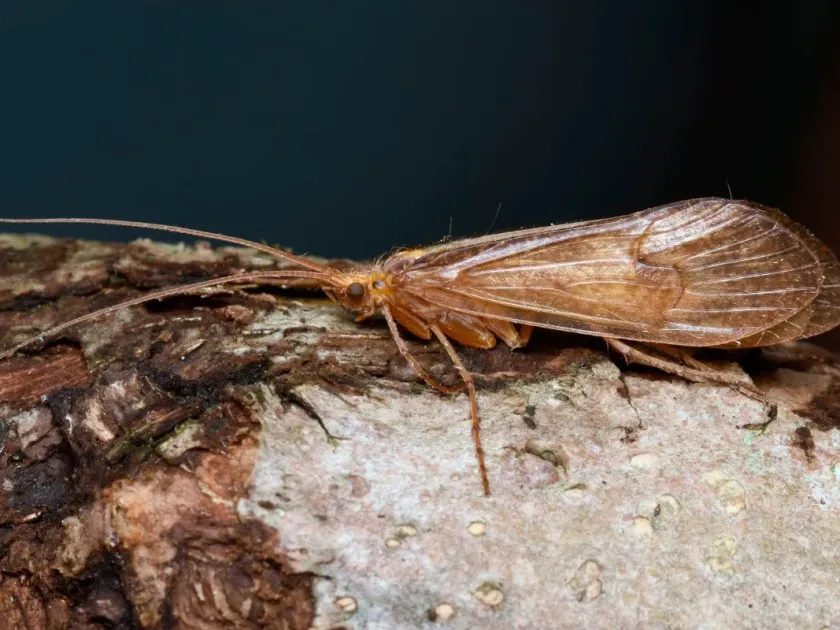
Limnephilidae is a family of insects belonging to the order Trichoptera, commonly known as northern caddisflies. The adults are moth-like insects with hairy wings that rest folded over their bodies.
The larvae of this family are aquatic and build distinctive portable cases constructed from sand grains, twigs, leaves, or even shells, which serve as protection.
They possess a well-developed head and sclerotized thoracic plates, allowing them to crawl efficiently on the bottom of water bodies and in waterlogged soil environments.
Their biology is intrinsically linked to aquatic environments; however, they can become significant agricultural pests when they colonize flooded fields or wetlands.
The life cycle involves complete metamorphosis, including egg, larval, pupal, and adult stages, with the larval stage posing the primary threat to plant health.
What it damages
Limnephilidae mainly damage vegetable and forage crops grown in floodplains or areas suffering from poor drainage and waterlogging.
They pose a particular threat to young rice seedlings, cabbage, lettuce, and other leafy vegetables when the soil remains submerged for extended periods.
Under flooded conditions, larvae shift their diet from aquatic vegetation to the aerial parts of crop plants submerged or adjacent to the water.
The damage occurs through skeletonization of leaves or complete consumption of tender stems, leading to seedling mortality and reduced overall yield.
Root system damage is also observed when high larval populations congregate in the silt surrounding the underground parts of the crops.
When it appears
Mass emergence of adults typically occurs in the summer months, facilitating mating and the subsequent deposition of eggs into water or on riparian vegetation.
Peak damage from larvae is generally recorded during the spring and summer, correlating with the active growth phase of crops and high soil moisture.
The larval developmental cycle is relatively long, meaning that active feeding can occur throughout the entire vegetative season if conditions remain favorable.
As autumn approaches, larvae prepare for hibernation, moving into deeper layers of sediment where they remain active at lower but moderate temperatures.
Outbreaks of these pests are frequently associated with unseasonably wet years that cause prolonged flooding of agricultural fields.
Signs of infestation
A primary sign of Limnephilidae presence is the discovery of their characteristic portable cases made of twigs, sand, or plant debris near the base of the plants.
Visual evidence includes extensive feeding damage on leaves, characterized by large, irregular holes or notched edges caused by their chewing mouthparts.
The accumulation of mucus-like trails and chewed plant fragments around the base of the stem is a strong indicator of intense larval activity.
Stunted growth, wilting, and yellowing of foliage in areas with stagnant water are common symptoms of infestation by these hydrophilic pests.
- Presence of portable cases (twigs/sand) near plant roots.
- Ragged leaf edges indicating gnawing damage.
- Increased damage levels following heavy rain or field flooding events.
Control measures
The most effective strategy is hydro-technical land reclamation, which involves draining excess water and preventing the formation of stagnant pools in fields.
Cultural practices, such as regular soil cultivation and proper crop rotation, help in reducing the habitat suitability for larvae.
Biological control agents, when applied appropriately to specific crops, can provide suppression during the early stages of larval development.
Chemical control is rarely the first choice and should be reserved for severe outbreaks, utilizing targeted insecticides applied with caution to the affected areas.
Maintaining irrigation infrastructure and ensuring surrounding water bodies are managed effectively helps prevent the spread of Limnephilidae into crop zones.
Discussion
No discussions yet — be the first.