
Stonefly
Isoperla
Description
How to identify
Stoneflies of the genus Isoperla are classified within the order Plecoptera and the family Perlodidae. They are aquatic insects that undergo hemimetabolous development, meaning they have incomplete metamorphosis with no pupal stage.
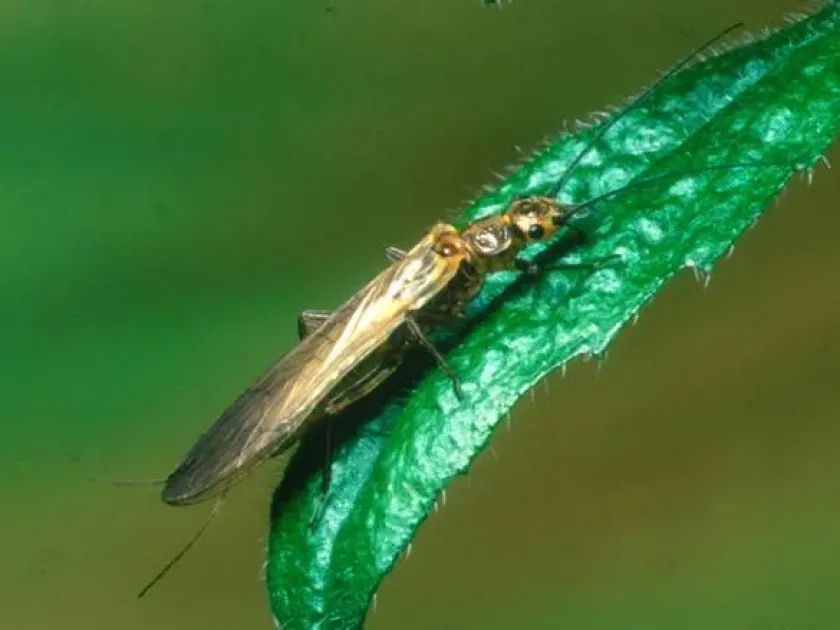
Adult stoneflies typically exhibit soft bodies with two pairs of membranous wings that fold flat over the abdomen. Their coloration often ranges from pale yellow to greenish or brown, providing effective camouflage against vegetation near streams.
The nymphs (naiads) are exclusively aquatic and possess well-developed mouthparts. They are characterized by long antennae and two long cerci at the end of the abdomen, which serve as sensory organs in the turbulent water environment.
Isoperla species are distinct for their preference for cold, well-oxygenated running water. Their presence is a reliable indicator of high water quality, as they are extremely sensitive to pollution, siltation, and low oxygen levels.
Species identification within the genus relies heavily on internal genital structures, wing venation patterns, and the specific arrangement of sensory hairs on the body, making them a subject of intensive entomological research.
When it appears
The life cycle of the genus Isoperla is synchronized with seasonal hydrological cycles. Adults typically emerge during the spring and early summer months, taking advantage of warmer temperatures for mating activities.
Following mating, females deposit eggs into the water. Some species lay eggs directly into the current, while others crawl into the water to attach egg masses to rocks or submerged debris in riffle areas.
The nymphal stage is the longest part of their life cycle, lasting from one to several years. Nymphs grow through a series of molts, increasing in size and developing wing pads as they mature toward adulthood.
Adults have short lifespans, often living only for a few weeks. During this brief period, their primary biological objective is to find a mate and ensure the successful fertilization of the next generation of eggs.
During winter months, nymphs remain active under the ice or in deep substrate layers. They continue to feed on algae, detritus, or other small aquatic organisms, showing remarkable adaptation to fluctuating environmental conditions.
Discussion
No discussions yet — be the first.