
Faronta
Faronta
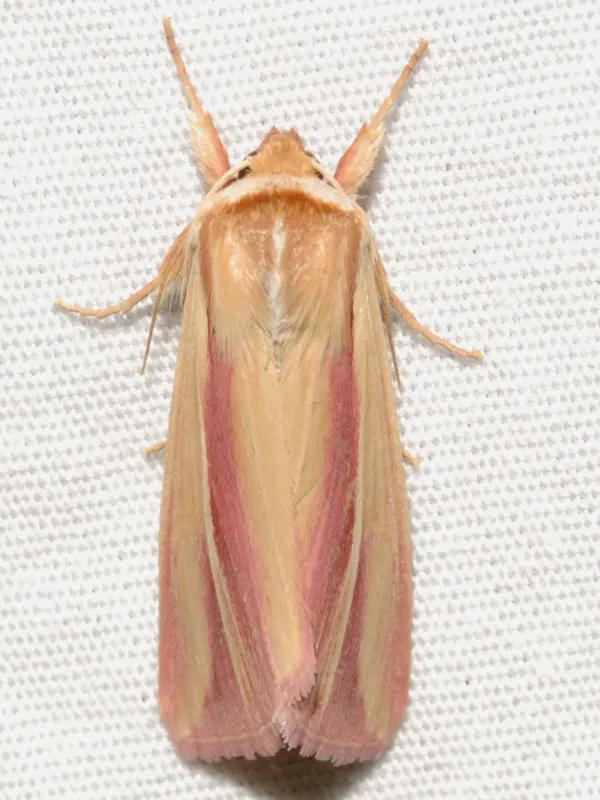
Description
How to identify
Faronta is a genus of moths belonging to the family Noctuidae. These insects are nocturnal, with adult moths typically displaying greyish-brown or ochre patterns that allow them to blend into crop debris and soil surfaces perfectly.
The larvae, commonly known as caterpillars, possess chewing mouthparts and exhibit cryptic behavior. During the day, they remain hidden near the base of the stalks or in curled leaves, making visual detection during daylight hours quite difficult for agronomists.
The life cycle consists of four distinct stages: egg, larva (caterpillar), pupa, and adult. The species typically overwinters in the pupal stage within the soil or ground cover, which provides protection against winter frosts and ensures survival for the next season.
Population dynamics are strongly influenced by weather patterns, particularly spring temperatures. In years with mild winters and warm springs, the survival rate of the pupae increases, which often leads to significant outbreaks in cereal fields.
Faronta is a specialized pest that requires constant monitoring. Field scouting, especially using light traps or pheromone monitoring, is essential for detecting the presence of adults before they lay eggs on the target crops.
What it damages
Faronta larvae primarily infest cereal crops, including wheat, barley, oats, and various grasses used for fodder. They are highly active feeders capable of causing substantial economic damage if left unmanaged during peak development.
Young larvae initially skeletonize the leaves, eating the soft green tissue and leaving only the harder veins behind. This feeding pattern significantly reduces the plant's ability to photosynthesize, weakening the entire crop during its most critical growth phase.
As the larvae reach later stages of development, they become much more voracious. They can consume large portions of the leaf blade, or in severe cases, feed directly on the stalks and developing ears of the cereal plants.
Damage to the reproductive parts of the plant, such as the ripening grains, is particularly destructive. This leads to yield reduction, poor grain quality (shriveled grains), and potential harvest losses that can affect the overall market value of the crop.
Furthermore, larval feeding wounds act as entry points for various fungal and bacterial pathogens. This secondary infection often causes more damage than the direct feeding, leading to plant decay and further loss of production.
Signs of infestation
The first sign of Faronta infestation is the presence of skeletonized leaves near the base of the plant. Small, granular dark frass (excrement) deposited on the leaves or the soil surface is a reliable indicator of larval feeding activity.
During the evening, it is possible to find caterpillars on the stems. They are most active at night, so night scouting is the most effective way to estimate the population density accurately in the field.
Visual symptoms in the field often appear as patches of stunted, yellowing plants. In severe infestations, the damage to the foliage becomes obvious, and the lack of plant vigor is clearly visible from a distance.
If the grain heads are being attacked, you may notice missing parts of the ear or "chewed" grains. Regular scouting during the milky and dough stages of grain development is crucial for identifying these signs early.
- Small dark granular excrement on the ground or plant base.
- Skeletonized leaves or leaf edges consumed.
- Visible damage to the ears and developing grains.
- Patches of weakened, discolored plants.
- Increased nocturnal moth activity confirmed by light traps.
Control measures
Agrotechnical practices form the foundation of Faronta management. Deep autumn plowing is highly effective, as it exposes the pupae to predators and adverse weather conditions, significantly reducing the pest population for the following year.
Effective weed control is critical, as Faronta larvae often develop on wild grasses before moving to cultivated cereal crops. Keeping fields and field margins clean is a preventative measure that limits the pest's early food sources.
Chemical control should be implemented only when the economic threshold is exceeded. Insecticides should be applied during the early larval stages when the caterpillars are most sensitive to contact and systemic treatments.
Biological control agents, including entomopathogenic fungi or bacterial formulations, offer a sustainable alternative to chemical sprays. These agents are effective in maintaining pest populations below the economic threshold while protecting natural enemies.
Integrated Pest Management (IPM) strategies, which combine monitoring with selective chemical and biological interventions, provide the best results. Timely application based on degree-day models or trap data ensures maximum efficiency and reduced environmental impact.
Discussion
No discussions yet — be the first.