
Epithectis
Epithectis
Description
How to identify
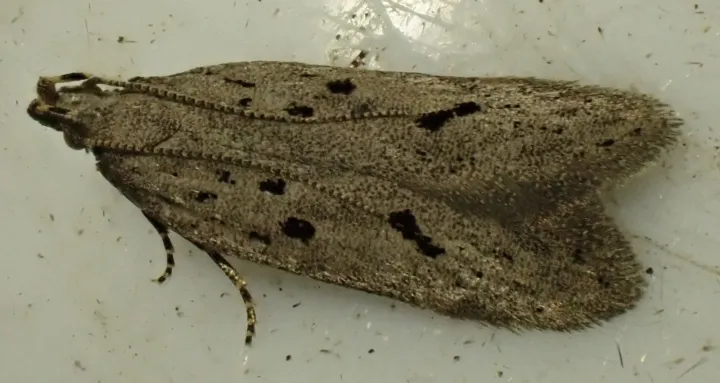
Epithectis belongs to the order Lepidoptera, family Gelechiidae. These are small moths characterized by narrow wings with a fringe, which is typical for the gelechiid family structure.
Species within the Epithectis genus usually exhibit grayish-brown or brown coloration, providing effective camouflage against tree bark or leaf surfaces. The wingspan of adult moths typically ranges from 10 to 15 millimeters.
The larvae, or caterpillars, have a cylindrical body with well-developed thoracic legs and abdominal prolegs. The head capsule is often darker, serving as a protective mechanism during tissue feeding.
Identifying specific species of Epithectis in the field is challenging due to their resemblance to other members of the Gelechiidae family. Expert identification often requires examining the genitalia of adult specimens.
Adult moths are primarily nocturnal, making them difficult to spot during daylight hours without the use of light or pheromone traps.
What it damages
This pest affects a wide range of crops, including cereals, legumes, and ornamental shrubs. Significant economic losses occur when larvae infiltrate the reproductive organs of plants.
Caterpillars feed on leaf tissues, young shoots, buds, and ovaries. In some cases, damage to seeds is recorded, which significantly reduces germination rates and the overall market value of the harvest.
Tissue damage disrupts photosynthesis, leading to stunted plant growth and increased susceptibility to secondary infections such as fungi and bacteria.
Large-scale infestations result in significant defoliation, which severely stresses the plant and forces the reallocation of energy reserves, reducing overall yield.
The economic impact is defined by both the loss of yield volume and the high costs associated with pest management during the growing season.
When it appears
The life cycle of Epithectis is closely synchronized with the phenological stages of its host plants. Adult activity typically commences in late spring when temperatures exceed 12-15 degrees Celsius.
Eggs are laid on the underside of leaves or in leaf axils. The embryonic stage lasts from 7 to 14 days, depending on environmental humidity and temperature levels.
Caterpillars pass through several instars while feeding actively over a period of 3 to 5 weeks. This stage is the most critical time for crop damage.
Pupation occurs in plant debris, under tree bark, or in the topsoil, where the insect overwinters in a state of diapause.
The number of annual generations depends on the climate; in warmer regions, multiple generations can occur, increasing the risk of severe outbreaks.
Signs of infestation
Early signs of infestation include curled or eaten leaf edges, where caterpillars may construct small silk nests for protection.
Upon inspecting inflorescences, one can notice small dark granules of caterpillar excrement near the base of damaged buds or developing fruits.
The presence of skeletonized leaves with characteristic "windows" indicates that young larvae have begun feeding on the plant tissue.
Deformation or wilting of shoots often suggests that larvae are feeding internally within the stem or beneath the bark, necessitating a thorough check of plant structure.
- Yellowing of leaf tissue near larval clusters
- Visible silk webbing between leaves or flowers
- Premature dropping of buds or ovaries
- Growth retardation of the central shoot
Control measures
Agronomic control involves crop rotation and the prompt destruction of plant residues, which serve as primary overwintering sites for the pest.
Biological control using Bacillus thuringiensis-based products is highly effective against younger larval stages while preserving beneficial predatory insects.
Chemical control should be guided by pheromone trap monitoring. When thresholds are exceeded, synthetic pyrethroids or organophosphates are commonly employed.
Encouraging natural enemies, such as ichneumon wasps and predatory bugs, plays a vital role in keeping Epithectis populations below the economic threshold.
Regular field scouting and the physical removal of damaged plant parts early in the season help prevent mass propagation and reduce the need for intensive pesticide use.
Discussion
No discussions yet — be the first.